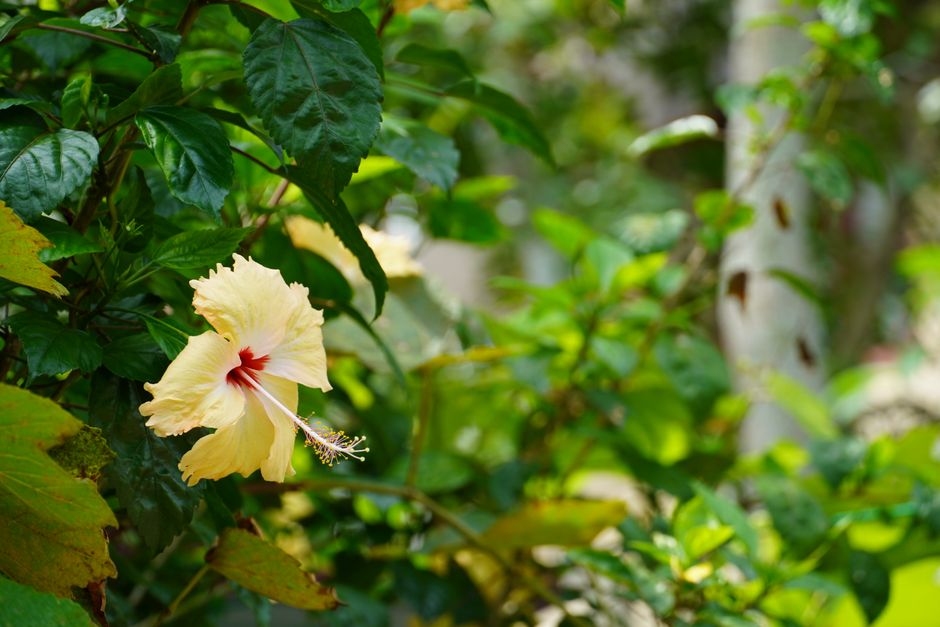
Hibiscus in je tuin: exotische bloemen voor een zomerse vibe
augustus 12, 2026 - Tuin
Hibiscus in your garden: a complete guide
The hibiscus, with its vibrant, oversized blooms, is one of the most exotic and eye-catching plants you can introduce to your garden. Known for their tropical appearance, these beautiful flowers can instantly add a summer vibe to any outdoor space. The right hibiscus can transform even the most ordinary garden into a paradise-like retreat.
Belangrijkste punten
- Hibiscus flowers thrive in tropical climates but can also grow in temperate regions.
- Select a spot with full sun and well-drained soil for best results.
- Hibiscus require regular watering, but avoid waterlogging.
- Pruning is essential to maintain shape and promote blooming.
- Use fertilizers rich in potassium to boost flowering.
How to choose the right hibiscus variety
Choosing the right hibiscus variety depends on your climate and garden conditions. Although hibiscus is native to tropical and subtropical regions, there are thousands of varieties that can adapt to different climates. The most popular for temperate gardens are the Hibiscus syriacus (Rose of Sharon) and Hibiscus moscheutos (hardy hibiscus), known for their ability to withstand colder temperatures.
Begin by evaluating your garden’s soil type, sunlight exposure, and climate conditions. In selecting your hibiscus, prioritize varieties that are most likely to thrive in your specific conditions. For instance, a tropical hibiscus (Hibiscus rosa-sinensis) will need protection if you live in a frosty region. Consider reaching out to local nurseries or gardening clubs to understand which varieties are prevalent in your area.
What are the ideal growing conditions for hibiscus?
Hibiscus plants flourish in bright sunlight, so select a location that receives at least six to eight hours of direct sunlight each day. Well-drained, slightly acidic soil with a pH level between 6.0 and 7.0 is optimal. Keeping the soil evenly moist is crucial, but make sure it is not waterlogged.
While planting, incorporate organic material or compost to enhance soil fertility. Mulching can help maintain moisture and regulate soil temperature. During summer, frequent watering may be necessary, but be cautious of root rot due to excessive water retention.
Hibiscus maintenance and pruning
Regular maintenance and careful pruning are key to keeping hibiscus plants healthy and vibrant. Pruning involves removing dead or diseased branches and maintaining the desired shape and size. Ideally, this should be done in early spring before new growth starts. Always use sterilized pruning tools to prevent the spread of diseases.
Consider cutting the oldest branches down to encourage new growth as part of the rejuvenation process, resulting in a bushier plant with more blooms later in the year.
What nutrients do hibiscus plants need?
Hibiscus plants have specific nutritional requirements to maintain their lush green leaves and abundant blooms. They need fertilizers rich in potassium, which supports vibrant flowering, and moderate nitrogen levels to avoid excessive greenery at the expense of flowers. A balanced, slow-releasing fertilizer applied every four to six weeks during the growing season is effective.
Avoid over-fertilizing, as this can cause leaf burn and adversely affect blooming. Opt for organic fertilizers such as compost tea or well-rotted manure to keep chemical input minimal and soil health excellent.
How to manage pests and diseases in hibiscus
Like all garden plants, hibiscus is susceptible to pests and diseases. Common pests include aphids, spider mites, and whiteflies. Regular inspections and maintaining a healthy plant environment are your first line of defense. Biological control using ladybugs for aphids or neem oil sprays can be effective in managing these pests.
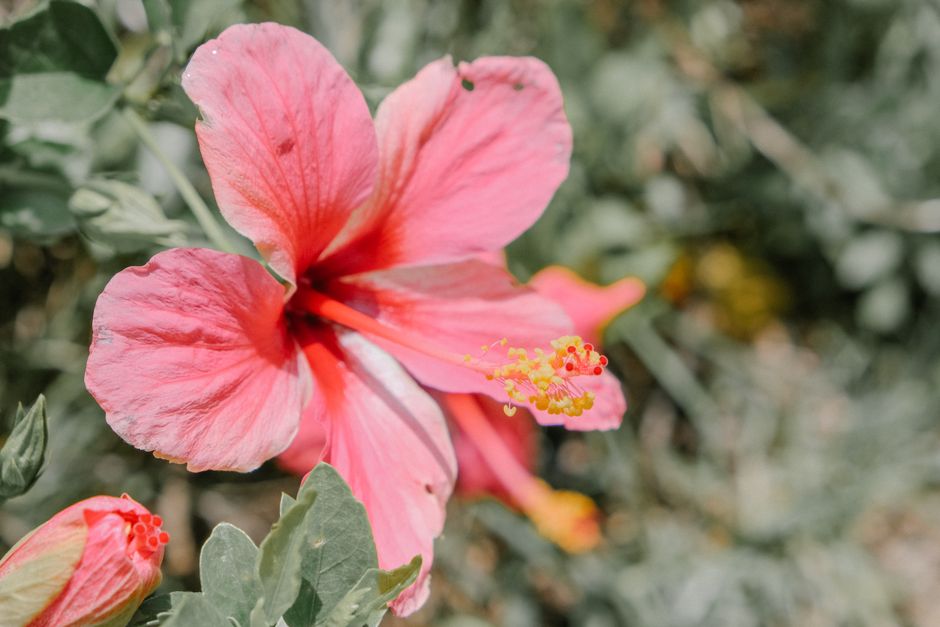
Disease prevention in hibiscus starts with keeping foliage dry and providing good air circulation to minimize fungal issues like leaf spots and mildew. Keep a natural garden ecosystem that supports beneficial insects and avoids chemical pesticides which can harm both plants and biodiversity.
Don’t overlook the technological advantages available in modern gardening. Integrate tools such as persoonlijke domotica to automate garden maintenance tasks and consider using decorative elements to enhance your green spaces.
Landscaping designs using hibiscus
Using hibiscus flowers in garden design can dramatically change the atmosphere. Incorporating hibiscus as focal points, or along borders, adds a vibrant splash of color and tropical flair. Complement them with other exotic-found plants such as bird of paradise and banana plants for a thematic look.
Mix hibiscus with contrasting textures and heights to add depth and interest. For urban settings, you can utilize interactieve raamprojecties as a creative way to highlight hibiscus blooms in your landscape, seamlessly blending indoor and outdoor spaces.
Veelgestelde vragen
Can I grow hibiscus indoors?
Yes, you can grow hibiscus indoors provided they get sufficient sunlight. Consider placing them near south-facing windows to ensure they receive plenty of light.
Is hibiscus poisonous to pets?
While hibiscus is generally safe for humans, it can be toxic to pets if ingested in large quantities, causing gastrointestinal upset.
How can I propagate a hibiscus plant?
You can propagate hibiscus using stem cuttings in spring or early summer. Ensure the cuttings are placed in a warm, humid environment to encourage rooting.
What is the best time of year to plant hibiscus?
The ideal time to plant hibiscus is in the spring after the last frost, which allows the plant to establish and grow throughout the warm season.
How do I overwinter hibiscus?
If growing in a cooler climate, bring hibiscus indoors during the winter or provide ample mulch and cover. Reduce watering to prevent root rot during dormant periods.
Your tropical paradise: bring the exotic home
Embracing hibiscus in your garden design invites the warmth and vibrancy of the tropics right to your doorstep. With careful selection, proper nurturing, and creative integration into your landscaping, these blooms will not only thrive but become the crowning glory of your garden retreat. Bringing a touch of the exotic home has never been more breathtakingly beautiful.
For an added personalized touch to your garden, consider incorporating unique elements such as a geboortebord tuin which can personalize and enhance your garden space further.