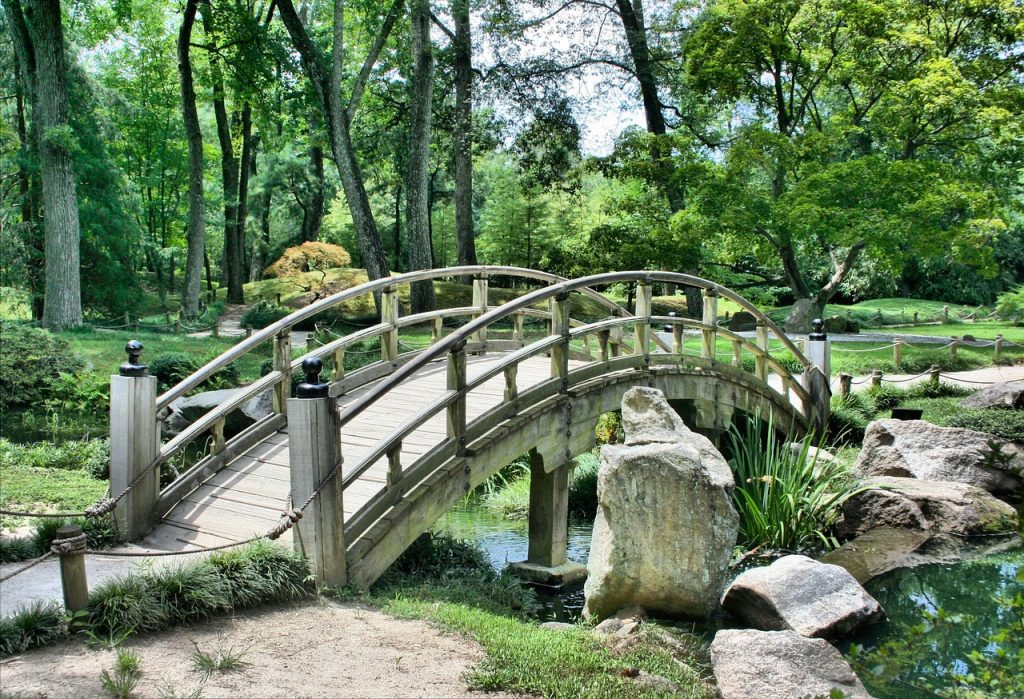
Aziatische eenvoud: de opkomst van Japanse invloeden in tuinontwerp
mei 17, 2026 - Tuin
The world of garden design is experiencing a transformative shift as Japanese influences bring a unique blend of simplicity, serenity, and high-tech integration into our outdoor spaces. In recent years, traditional elements of Japanese gardens, like Zen stone arrangements and bamboo groves, are being paired with modern smart home technology, leading to a new era of connected outdoor living. This fusion of ancient aesthetics with cutting-edge innovation is revolutionizing how we interact with our gardens, creating spaces that are not only beautiful but also highly functional and convenient.
Belangrijkste punten
- Japanese garden design meets smart home technology for a unique, serene outdoor experience.
- Automated irrigation systems and IoT devices are fundamental in maintaining the delicate balance of Japanese garden aesthetics.
- Smart lighting and sound systems enhance the tranquility and ambiance of these gardens.
- Use of AI for garden health monitoring and maintenance scheduling ensures longevity.
Why adapt Japanese garden design in modern homes?
Japanese garden design emphasizes simplicity, balance, and tranquility, aspects that are increasingly prized in the fast-paced modern world. As people seek refuge and relaxation from their busy lives, these gardens offer a serene escape right in their backyards. Integrating smart technology into these traditional designs further enhances their appeal, providing convenience and efficiency in maintenance.
Smart devices facilitate this by ensuring optimal conditions for plant growth and garden aesthetics without constant human intervention.
How can smart irrigation systems contribute to your garden?
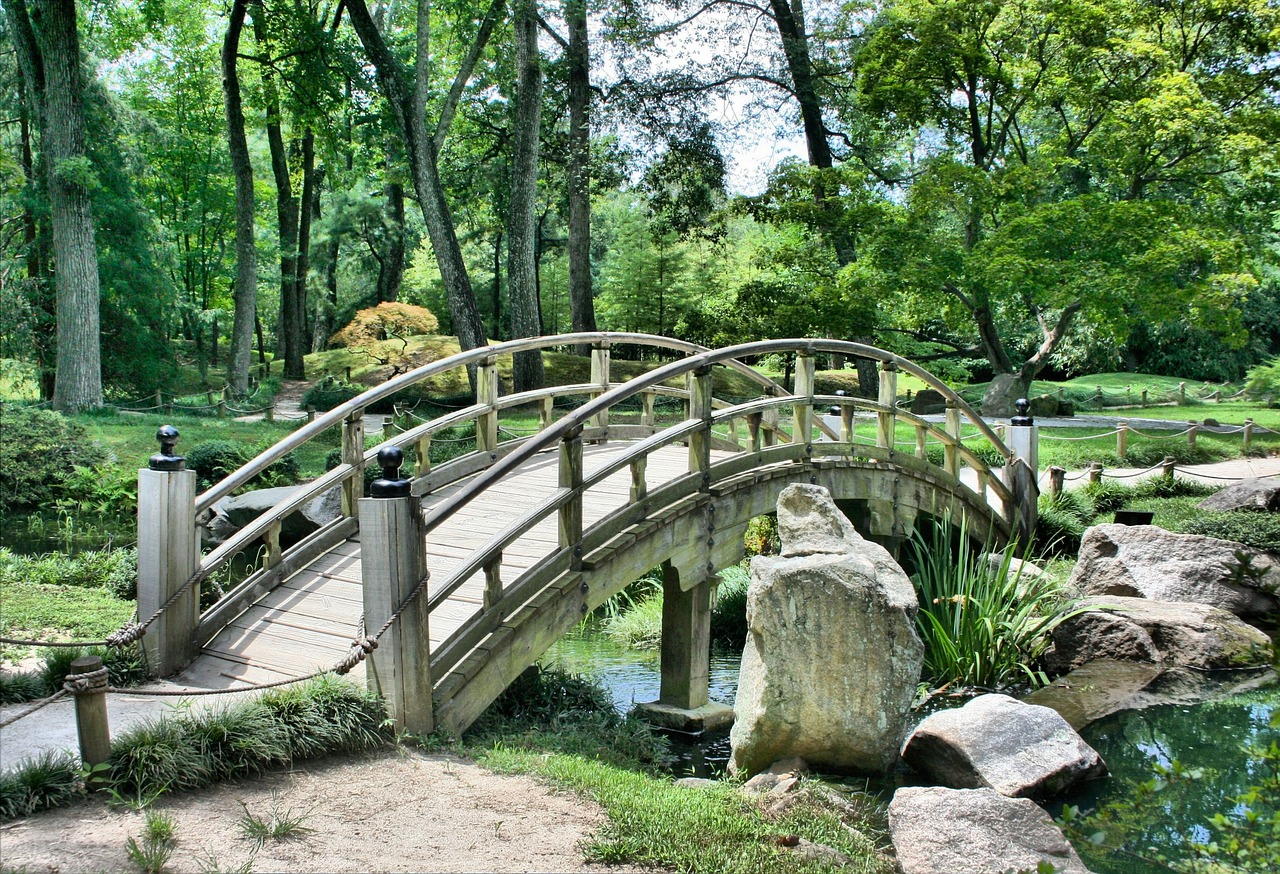
Smart irrigation systems are a crucial component of maintaining a harmonious Japanese garden. These systems can be programmed to water plants precisely, simulating natural rainfall patterns to maintain the delicate balance of flora and landscape features. Automated systems, like the RainMachine or Rachio, connect to weather apps to adjust watering schedules without manual input.
These smart systems ensure that every aspect of the garden, from moss-covered stones to lush bamboo groves, receives the exact amount of water needed. Transformeer je zomertuin met koraal- en lavendeltinten while preserving the calming, natural aesthetic that Japanese gardens are renowned for.
Which IoT devices enhance garden monitoring and maintenance?

IoT devices elevate garden management by collecting vast amounts of data on soil health, humidity levels, and sunlight exposure. Products like the Parrot Flower Power and Xiaomi’s MiFlora provide real-time data through smartphone apps, allowing users to monitor the health of their plants effortlessly.
These devices integrate with smart home systems, giving gardeners peace of mind that even when they’re not around, their plants are thriving. This level of detailed monitoring supports the precise care needed for Levendige Kleur en Groen: Winterharde Planten voor Je Tuin, ensuring they remain lush throughout the seasons.
What role does smart lighting play in a Japanese garden?
Smart lighting is paramount in creating the perfect ambiance in a Japanese garden, highlighting focal points like stone lanterns and koi ponds. Systems like Philips Hue offer customized lighting solutions; they’re programmable to suit different times of the day, adding warmth and depth to garden features.
With smart lighting, the garden transforms into a magical retreat at night, providing a space for evening relaxation and contemplation. This transformation mirrors innovations in other home areas, like Smart kitchen storage ideas give even small kitchens more space*, ensuring every aspect of home life is thoughtfully enhanced.
How does AI optimize care in a Japanese garden?
Artificial intelligence in garden care offers predictive analytics for weather patterns, pest invasion, and disease outbreaks, enabling gardeners to act preemptively. AI-powered apps use machine learning algorithms to analyze garden data patterns and suggest optimal times for pruning, fertilization, and other maintenance tasks.
By aligning traditional gardening wisdom with modern tech interventions, AI ensures the enduring health and beauty of Japanese garden designs.
Veelgestelde vragen
How do Japanese gardens incorporate water elements?
Water features, such as koi ponds and small streams, are integral to Japanese garden design, symbolizing purity and life. Smart pumps and filtration systems keep these features clean and vibrant with minimal maintenance.
Can smart gardens be energy-efficient?
Yes, smart gardens often utilize solar-powered lights and energy-efficient irrigation systems, reducing electricity consumption and reliance on non-renewable resources.
What plants are best for Japanese smart gardens?
Bamboo, azaleas, and Japanese maples are popular choices, complemented by IoT sensors to monitor their specific requirements for water, sunlight, and nutrients.
Are there privacy concerns with smart garden systems?
Like all connected devices, smart garden systems can be vulnerable to hacking. It’s crucial to use secure networks and regularly update device firmware.
Is the initial investment high for a smart Japanese garden?
While the initial setup cost can be higher due to advanced technology, the long-term savings and enhanced garden health justify the investment. Savings come from efficient water use and reduced manual labor.
Creating a sanctuary with tradition and technology
Combining Japanese garden design with smart home technology offers a refined way to create a personal sanctuary. This innovation doesn’t merely automate tasks; it fosters a deeper connection between nature and the digital world, ensuring your garden is a tranquil, effortless retreat from modern life’s stresses.