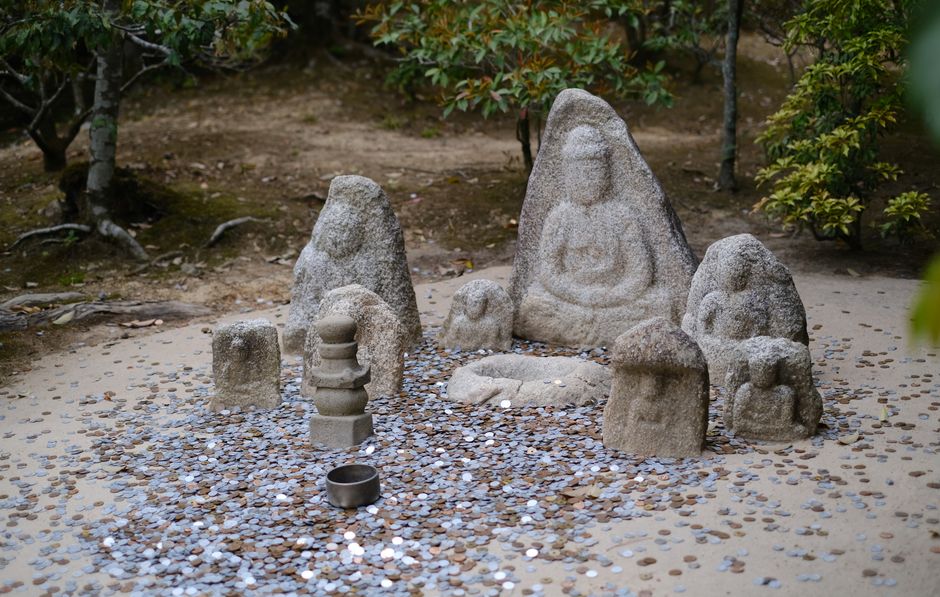
Zen-sculpturen en beelden voor een meditatieve tuinervaring
oktober 12, 2026 - Tuin
Zen sculptures and statues for a meditative garden experience
Zen sculptures and statues can transform ordinary garden spaces into meditative sanctuaries, creating a serene atmosphere perfect for contemplation and relaxation. These art forms serve as focal points in a garden, establishing a connection between nature and tranquility.
Belangrijkste punten
- Zen art incorporates simplicity and balanced design, emphasizing harmony with nature.
- Sculptures can be made from various materials, including stone, wood, and metal.
- Strategic placement enhances the contemplative experience, integrating the art with natural surroundings.
- Adding water features can enhance the meditative quality of your garden.
Understanding Zen sculptures
Zen sculptures often embody simplicity and subtlety, focusing on minimalism and calmness. These elements aim to evoke a sense of peace and mindfulness.
The aesthetics are influenced by Zen Buddhist traditions, encouraging the observer to engage mentally and emotionally with the sculpture’s intrinsic beauty and message.
Materials and design choices
Zen sculptures are crafted from various materials, each offering unique characteristics and benefits. Stone, wood, and metal are popular choices due to their durability and natural appeal.
Wood, often used for its organic feel, complements the natural surroundings and ages beautifully. Metal, with its sleek and modern appeal, can serve as a contrasting yet harmonious element in the landscape. When selecting a design, choosing simplicity and thoughtful craftsmanship ensures the sculpture aligns with Zen principles.
Strategic placement for maximum impact
The placement of Zen sculptures is crucial in creating an immersive meditative garden experience. Careful positioning can enhance the garden’s tranquility and aesthetic harmony.
Strategically placing sculptures can guide the viewer’s path and contribute to a narrative that unfolds as they wander through the garden. Consider proximity to natural elements like water or plants to heighten the sensory experience and embed the artistry into its surroundings.
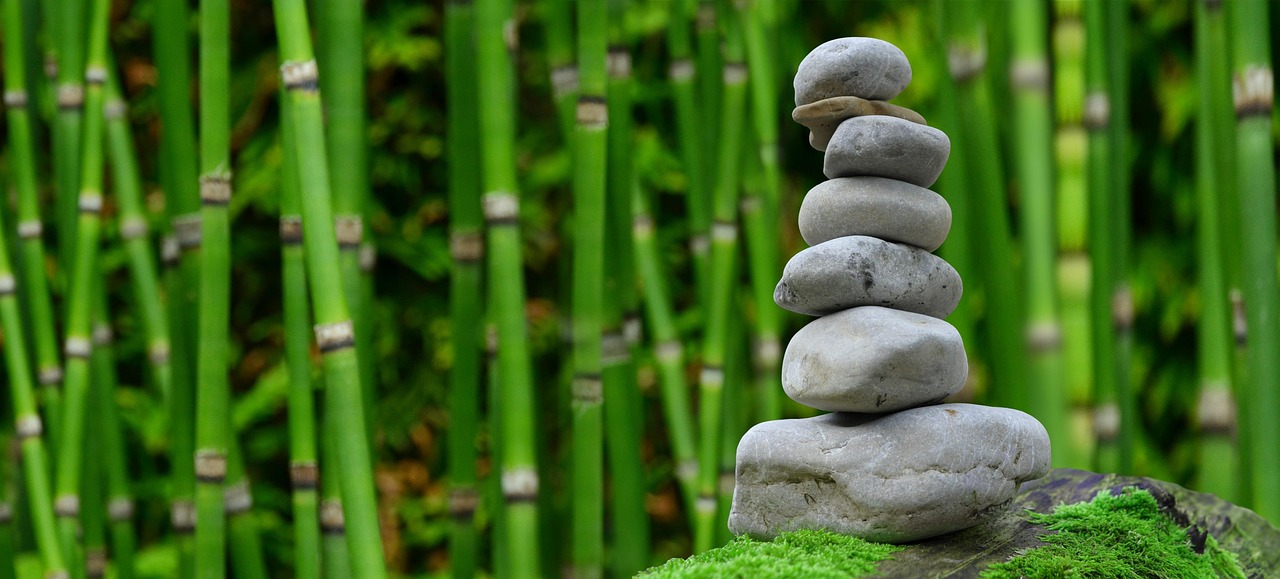
Integrating sculptures into corners or on pathways enables them to catch the eye subtly, maintaining their role as contemplative pieces rather than dominant distractions.
Complementary elements: integrating water and light
Integrating water features such as ponds or fountains can greatly enhance the soothing atmosphere of a Zen garden. The gentle sound of water can foster deeper relaxation and meditation.
Contemporary lighting elements can also be incorporated to illuminate sculptures at night, creating a magical ambiance. Combining energy-efficient lights with sculptural art can introduce a mystical dimension to evening meditation or leisure time.
Cultural significance and symbolism
Each Zen sculpture carries cultural and spiritual significance, deeply rooted in Zen Buddhism’s teachings. Symbolism in these sculptures extends from peace and enlightenment to nature’s impermanence.
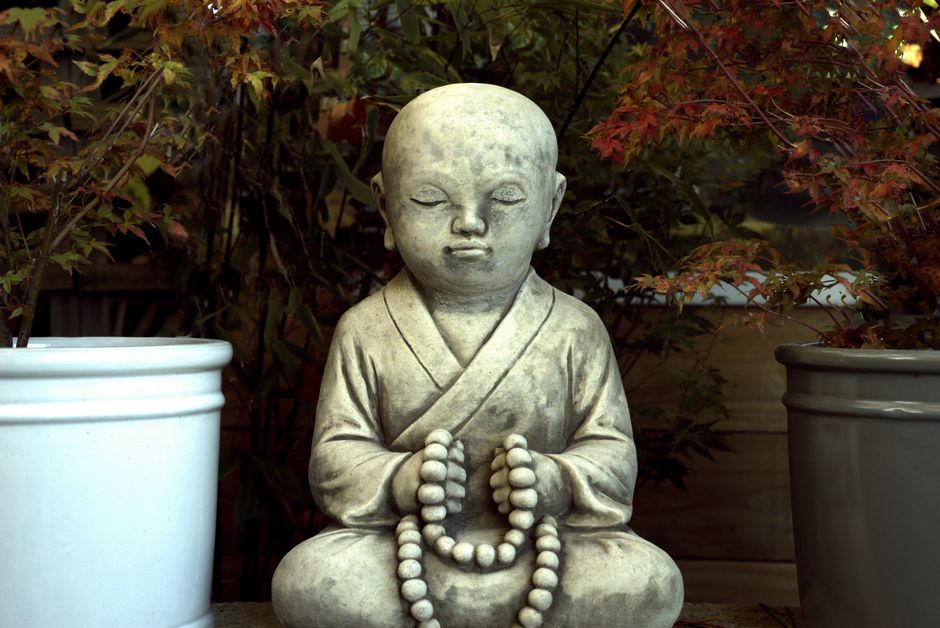
The integration of specific forms and symbols, such as the Buddha or Bodhisattva, aims to inspire introspection and convey spiritual teachings through art. For those interested in enhancing their gardens with meaningful artistic expressions and natural harmony, understanding these cultural elements is essential.
Creating your own Zen meditative garden
Creating a personal Zen garden can be both an artistic endeavor and a meditative experience. Start by selecting a suitable location, considering the natural topography, light, and existing plant life.
Begin with a simple design that reflects Zen principles. Choose sculptures and elements that resonate with your vision of tranquility. Consider exploring DIY verticale tuinen: stads natuurprojecten voor de zomer as a complementary project for more greenery.
Complement your garden design with elements like bamboo fencing or small stone paths, and remember the importance of maintaining balance and minimalism throughout the space.
Veelgestelde vragen
What materials are best for outdoor Zen sculptures?
Stone and metal are preferred due to their durability and resistance to weathering. Wood can also be used if properly treated for outdoor conditions.
How should I place a Zen sculpture in my garden?
Place sculptures in areas that naturally draw the eye but don’t dominate the space, such as alongside paths, near water features, or within plant arrangements.
Can I create a Zen garden in a small space?
Yes, a Zen garden can be adapted to various sizes, using compact layouts and vertical elements to optimize the area creatively.
Are water features necessary in a Zen garden?
While not necessary, water features can significantly enhance the calming atmosphere of a Zen garden, adding auditory elements to the experience.
Welcoming serenity through art
Integrating Zen sculptures and statues into your garden opens a gateway to tranquility, transforming outdoor spaces into serene sanctuaries for reflection. By carefully selecting and placing these artistic elements, you invite both beauty and peace into your environment, echoing the timeless principles of Zen. As a touch of harmony with nature, these sculptures not only enhance your garden’s aesthetic but also inspire a meditative spirit.