Opkomende trends in de herfst: Eetbare wanddecoraties
oktober 21, 2026 - Interieur
As the leaves turn and the air becomes crisp in autumn 2026, a new wave of interior design trends is capturing the imagination of home decorators worldwide. One such intriguing trend is the use of edible wall decorations, blending aesthetics with sustainability and innovation. This novel concept transforms everyday living spaces into delightful sensory experiences, making homes not just look good but smell and taste delightful too.
Belangrijkste punten
- Edible wall decor is a sustainable and innovative trend in home design.
- This trend combines aesthetic appeal with functionality, often involving herbs and spices.
- Using locally sourced food items as decor promotes sustainability and environmental consciousness.
- Innovative display techniques, like living walls, enhance this trend’s appeal.
- Edible decor is versatile, offering options in both high-end and casual home designs.
The rise of edible decorations
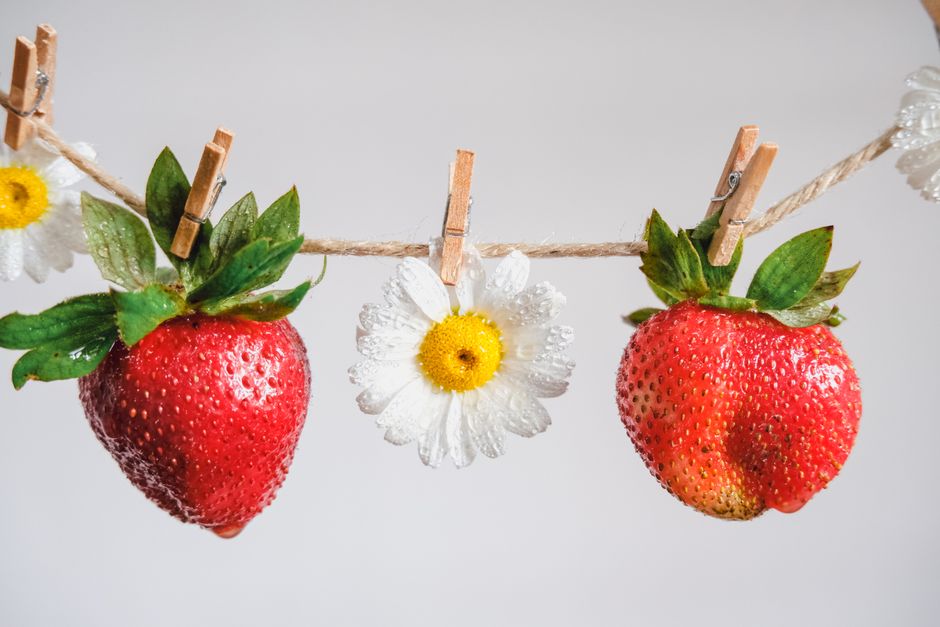
Edible wall decorations are gaining popularity as people seek to integrate eco-friendly and functional elements into their homes. This innovative approach involves using natural food items such as herbs, spices, and even small fruits like chilies and cherries, to create visually stunning wall art that doubles as a source of fresh ingredients.
This trend also aligns with the growing emphasis on sustainable living, as homeowners increasingly opt for decor solutions that reduce waste and emphasize natural materials. Additionally, edible decorations can be easily integrated into both rustic and modern designs, providing a versatile option for decorators.
Materials and techniques used in edible decor
Various materials like dried herbs, spices, and dehydrated fruits are commonly used in edible decorations. These natural items are chosen for their durability and aesthetic appeal, allowing them to serve as both art and functional ingredients in the kitchen.
Techniques involve careful drying and preservation processes to maintain the freshness and vibrancy of these materials. They are often displayed using frames or lattice structures on walls. Living walls, which incorporate small planters or vertical gardens, are particularly popular for their lush appearance and ability to provide fresh herbs year-round.
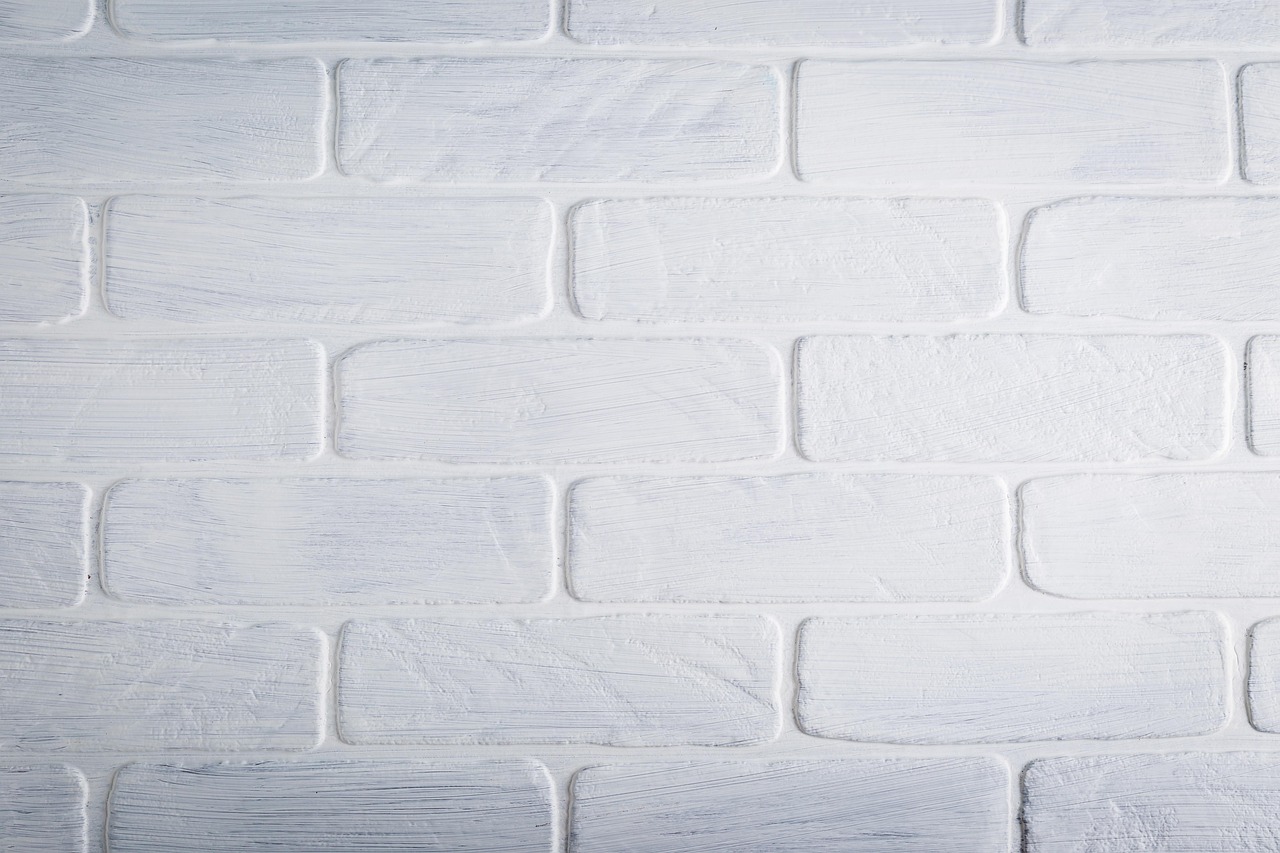
Such innovative uses of natural elements in home decor also intersect with other emerging design trends. For example, the tactile elegance of edible decorations can coexist harmoniously with trendy brick wallpaper to create a deliciously textured and visually appealing space.
Decorative and sustainable benefits
Edible wall decorations offer a blend of aesthetic and practical benefits. They enhance the appeal of any room with their vibrant colors and textures, often creating a more lively and inviting atmosphere. Moreover, they provide easy access to fresh culinary ingredients, promoting a farm-to-table lifestyle directly in your home.
Using edible items also reduces reliance on artificial products, decreasing the ecological footprint of home decorating. This approach supports local agriculture and encourages the utilization of seasonal produce.
Practical examples and inspirations

Creative designs in edible wall decor range from sophisticated herb gardens in kitchens to rustic spice displays in dining rooms. High-end restaurants have also begun to incorporate edible decorations for an interactive culinary experience, offering diners fresh ingredients to add to their dishes.
There is significant potential in residential applications as well. Homeowners are creatively utilizing these designs, often drawing inspiration from online platforms and DIY communities. For example, combining dried citrus slices with cinnamon sticks on a kitchen wall not only creates a fragrant atmosphere but also serves as an attractive backdrop for cooking activities.
Many enthusiasts have turned to specialized companies like Foto4art to find unique and customized solutions that fit their individual style and space requirements. Such brands offer a variety of wall decorations, complementing the edible designs creatively and effectively.
Veelgestelde vragen
Can edible wall decorations be used in small apartments?
Yes, edible wall decorations are versatile and can be adapted to fit small spaces. Vertical gardens and hanging spice racks are excellent solutions for maximizing limited areas.
Do edible decorations require special maintenance?
Maintenance depends on the type of decorations used. Dried items require minimal upkeep, while living plants need regular watering and sunlight.
Are there health risks associated with edible decor?
Generally, edible decorations are safe, provided they are properly preserved and maintained. It is crucial to use clean, non-toxic materials to prevent contamination.
Can edible decorations be integrated with other interior design elements?
Yes, they can complement various design styles, including minimalist, rustic, and modern themes, by adding a natural and dynamic element to your space.
How can I incorporate herbal decor in my kitchen?
Using small pots or vertical gardens to grow herbs like basil, thyme, or rosemary near your cooking area offers both visual beauty and culinary convenience.
A tasteful future
Edible wall decorations represent a delightful convergence of design, sustainability, and utility. This growing trend not only enhances the aesthetic appeal of homes but also brings nature closer to daily life through sensory experiences. As we move forward, edible decor will likely evolve, offering innovative solutions that continue to excite and inspire.
Incorporating innovative technologies like vertical wind turbines can also complement sustainable design strategies, making homes green and environmentally conscious.
The prospect of integrating edible and eco-friendly elements into interior spaces is indeed a delicious idea that promises to redefine how we perceive and interact with our living environments.