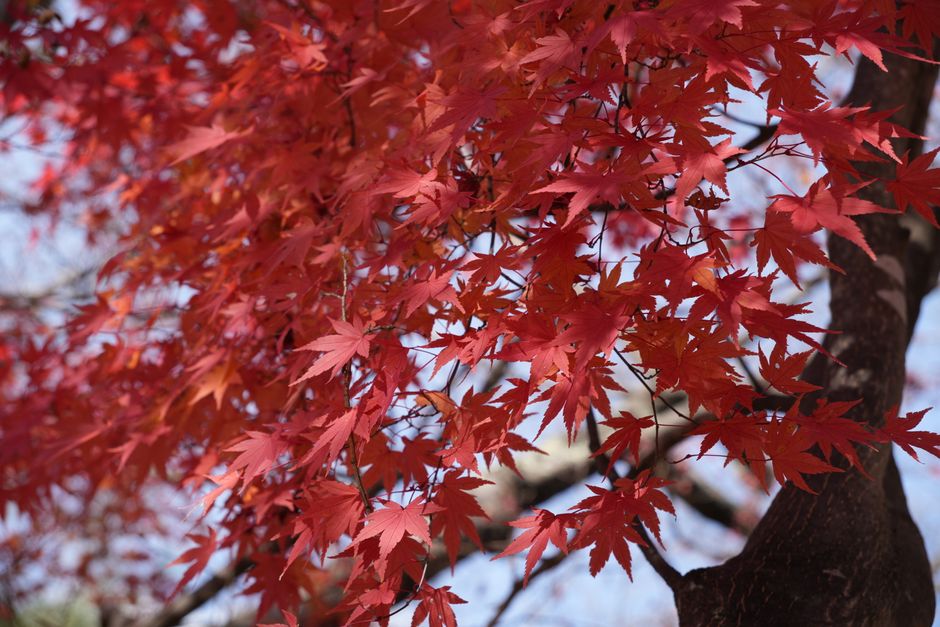
Japanse esdoorns: de kleurenspektakel voor herfsttuinen
september 2, 2026 - Tuin
Japanese maples: the color spectacle for autumn gardens
The Japanese maple, or Acer palmatum, is renowned for its vibrant fall hues and graceful growth forms, making it a favorite for autumn gardens. In 2026, their popularity has only increased as people seek to transform their gardens into autumnal paradises.
Belangrijkste punten
- Japanese maples are admired for their stunning fall colors and aesthetic appeal.
- They require specific care, including well-drained soil and partial shade.
- Various varieties offer different characteristics, catering to diverse landscaping needs.
- Strategic placement and complementary plants enhance the beauty of Japanese maples in gardens.
- Integrating Japanese maples can bring a serene, Asian-inspired ambiance to urban spaces.
What types of Japanese maples are there?
There are numerous varieties of Japanese maples, each with unique attributes that contribute to their popularity in landscaping. From the delicate Dissectum forms with lace-like leaves to the bold colors of the Atropurpureum, Japanese maples offer a wide range of choices.
Popular choices include the Crimson Queen, known for its weeping form and rich red foliage, and ‘Viridis’, prized for its bright green leaves that turn golden in autumn. These varieties showcase the versatility and adaptability of Japanese maples in diverse garden settings.
How do you care for Japanese maples?
Japanese maples thrive with specific care, needing well-drained, slightly acidic soil and partial shade to shield them from harsh sunlight. Regular watering is essential but avoid waterlogging, which can damage the roots.
Pruning helps maintain a pleasing shape and promote healthy growth. It’s crucial to prune in late winter or early spring before new growth begins. You can learn more about integrating Japanese aesthetics into modern spaces by exploring “Moderne twist: Japanse tuinprincipes in stedelijke balkons”.
How to incorporate Japanese maples into your garden design?
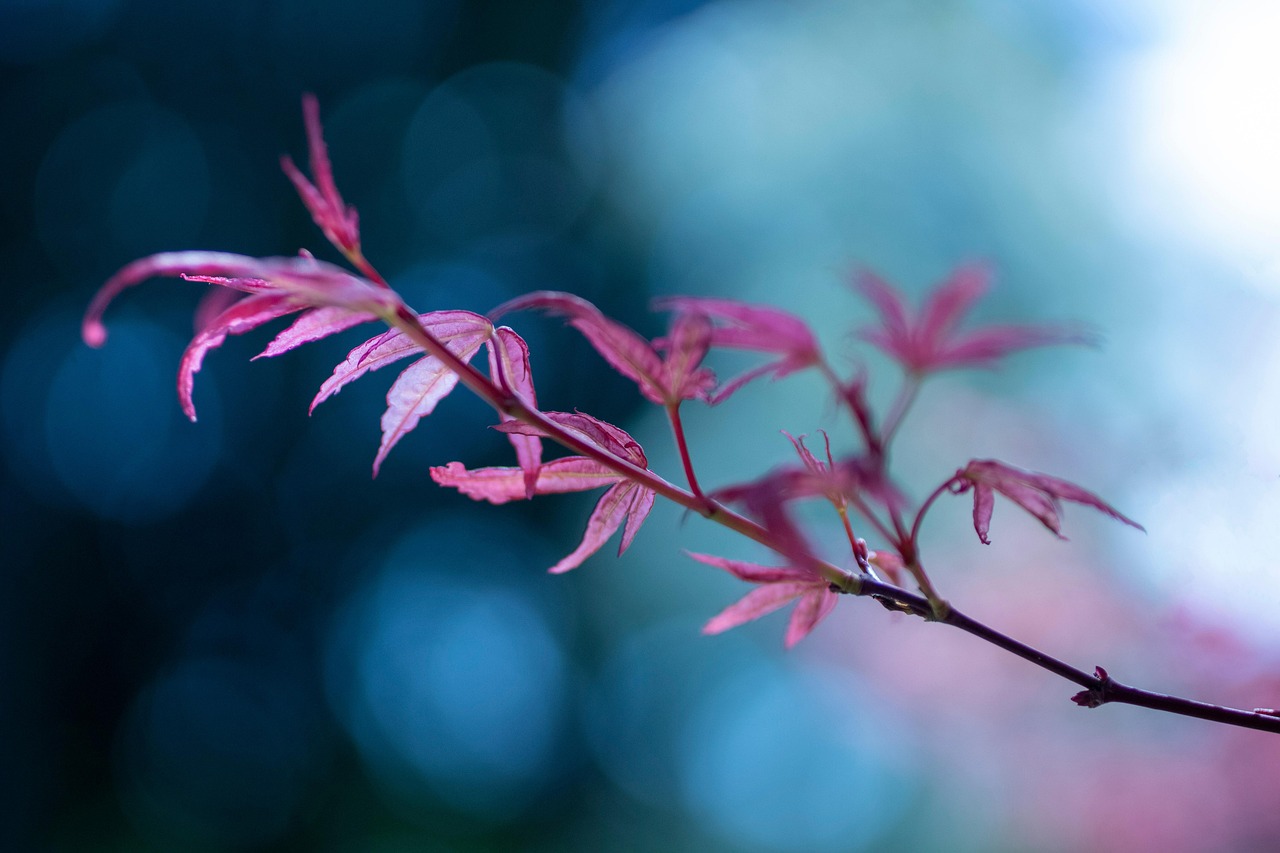
Incorporating Japanese maples into garden design requires strategic planning to highlight their beauty. They can serve as focal points or be part of a broader theme, complementing other elements like stones, water features, and companion plants like hostas or ferns.
Positioning Japanese maples against darker backdrops can enhance their vivid fall color, while integrating them with features like traditional Japanese pathways can add authenticity. Explore the influence of Japanese design trends in gardens with “Aziatische eenvoud: de opkomst van Japanse invloeden in tuinontwerp”.
What are the best furniture and plant combinations with Japanese maples?
To enhance the beauty of Japanese maples, consider pairing them with minimalistic garden furniture, allowing the trees to stand out. Materials like bamboo or teak complement the natural aesthetics.
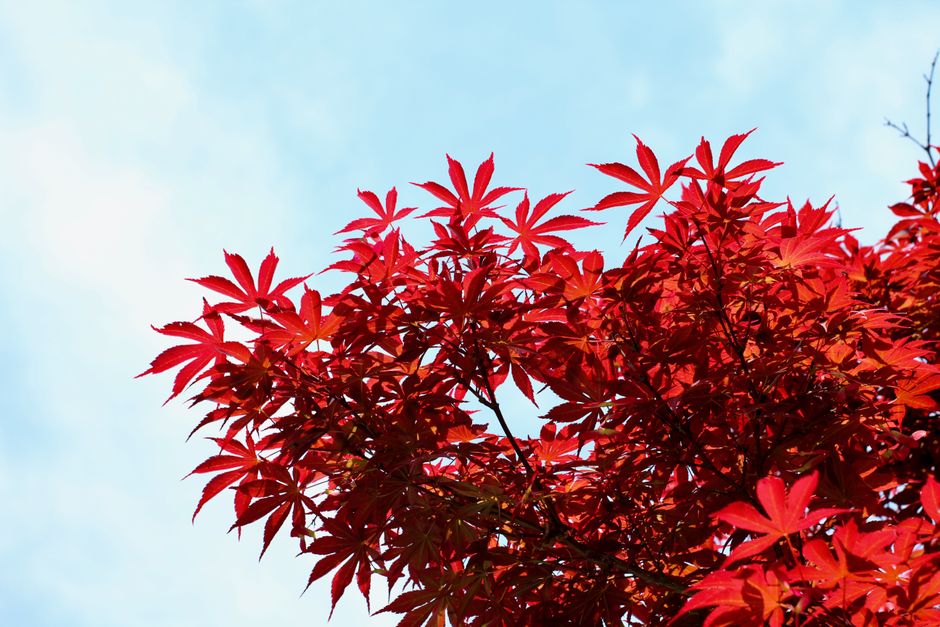
When it comes to plants, hostas, ferns, and other ground covers provide a lush backdrop, creating a tranquil setting. Discover “Comfort en stijl: de nieuwste tuinmeubeltrends” for 2026 to find suitable garden furniture that complements a Japanese maple setting beautifully.
Getting inspiration for interior decor with Japanese maples
Drawing inspiration from Japanese maples isn’t limited to gardens; their elegance can also influence interior decor. Artwork and prints depicting these stunning trees can bring an earthy, seasonal vibe into your home.
For those eager to bring this aesthetic indoors, exploring decor options with companies like Foto4art can provide a range of choices, from wallpapers to canvas prints that celebrate the beauty of Japanese maples.
Veelgestelde vragen
Can Japanese maples be grown in pots?
Yes, Japanese maples can thrive in pots but require careful watering and feeding. Ensure the pot has good drainage and choose a smaller variety for best results.
What is the best time to plant Japanese maples?
The optimal time to plant Japanese maples is in early spring or fall when temperatures are mild. This allows them to establish roots before the harsh summer or winter months.
Do Japanese maples attract wildlife?
While they aren’t known for attracting specific wildlife, the leafy canopy of Japanese maples can provide shelter and habitat for various bird species.
How fast do Japanese maples grow?
Japanese maples tend to grow slowly, typically reaching a height of 10-15 feet over several decades. Growth rates can vary with species and growing conditions.
What is the symbolic significance of Japanese maples?
In Japanese culture, maples symbolize elegance, grace, and tranquility. They are often associated with peace and balance, reflecting nature’s beauty.
Capturing the essence of autumn
The allure of Japanese maples lies in their transformative beauty, particularly in autumn when their colors ignite gardens with vibrant hues. By integrating these trees into your landscape, you can create a serene and picturesque garden that reflects the tranquil beauty of nature, enriching your living experience every fall.