Verpakkingloos wonen: duurzame producten voor een eco-vriendelijk huis
september 5, 2026 - Interieur
Living without packaging: sustainable products for an eco-friendly home
In 2026, living sustainably isn’t just an ideal but an imperative. One of the most significant contributors to pollution is packaging waste, flooding our homes and landfills. Transitioning to a packaging-free home involves mindful consumption and prioritizing eco-friendly products. These choices not only shrink your carbon footprint but also enhance your living space.
Belangrijkste punten
- Adopting a packaging-free lifestyle significantly reduces household waste.
- Invest in long-lasting, eco-friendly products like reusable containers and biodegradable materials.
- Integrate smart technologies to optimize home energy use and further minimize environmental impact.
- Supporting local artisans helps reduce the carbon emissions linked to long-distance shipping.
- Use natural scents to create a sustainable and inviting home atmosphere.
What is packaging-free living?
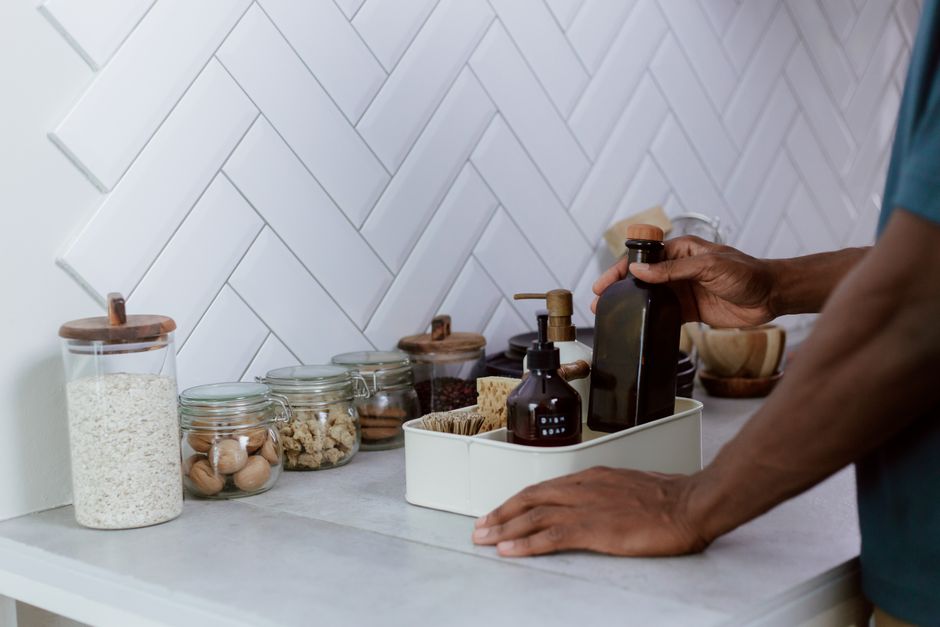
Packaging-free living revolves around minimizing the usage of disposable packaging and embracing products that can be reused, recycled, or composted. It targets single-use plastics and other non-recyclable materials, promoting the use of sustainable alternatives.
This approach involves selecting products that either have minimal packaging or are entirely packaging-free. This lifestyle is not only eco-conscious but also financially rewarding as it encourages purchasing less and choosing higher-quality, durable products.
How to start a packaging-free lifestyle?
Begin your packaging-free journey by assessing your current consumption habits. Analyze where most of your packaging waste comes from and consider alternatives. Focus on gradually incorporating eco-friendly substitutes for commonly used items.
Replace plastic containers with glass or stainless steel options, and swap disposable plastic bags for cloth or recycled material options. Consider purchasing bulk items to reduce packaging waste and choose brands that prioritize sustainability.
Essential products for a packaging-free home
Several products can facilitate a smooth transition to a packaging-free home. Start by investing in reusable cloth bags, stainless steel food containers, and natural fiber cleaning cloths. Opt for products that have either long life spans or are biodegradable.
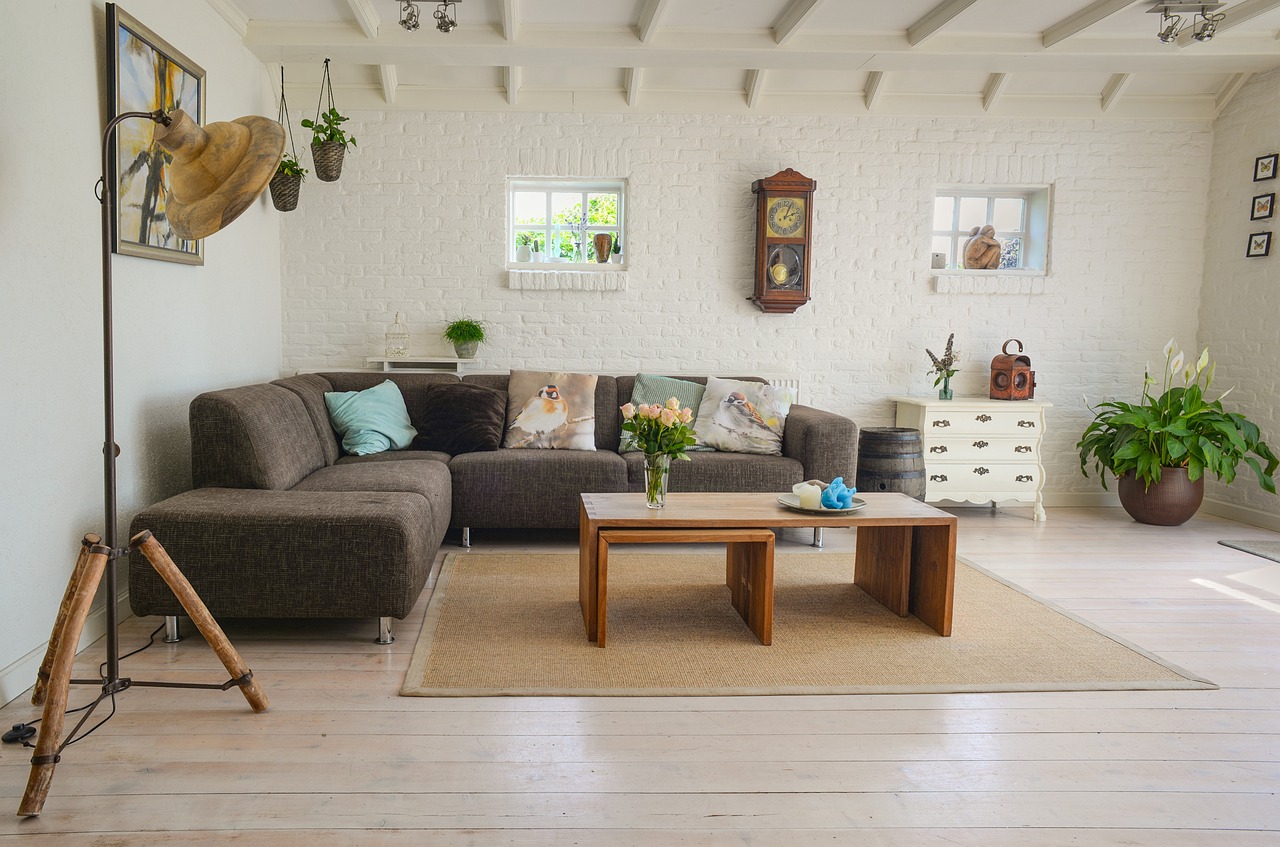
For instance, buy food items with no packaging from farmers’ markets or by using raamstickers op maat for identifying bulk purchase jars. When opting for furniture or decor, consider sustainable materials or a Foto op Hout – Warmte van de huiselijke haard! for both beauty and environmental consciousness.
Leveraging technology and AI for sustainable living
Integrating technology, including AI, can significantly enhance sustainability efforts in your home. Smart home systems can optimize energy use and reduce your environmental footprint. For instance, adaptieve raamdecoratiesystemen can automatically adjust based on sunlight exposure, reducing energy consumption.
These technologies not only promote sustainability but also add convenience and comfort by automating day-to-day operations like lighting and heating, ensuring your household operates in the most energy-efficient manner possible.
Influence of scents and decor in eco-friendly homes
Sustainability in the home extends beyond just materials and technologies to the ambiance as well. The use of natural scents is pivotal in creating a harmonious and inviting atmosphere without chemical sprays or synthetic fragrances.
Incorporate naturally sourced scented candles or essential oils to ensure a pleasant environment. To learn more about the impactful role of scents, explore De kracht van geur in het interieur. Such investments not only enhance your living space aesthetically but contribute to holistic sustainability.
Veelgestelde vragen
How does packaging-free living benefit financially?
Reducing wasteful packaging consumption often leads to buying in bulk, thus lowering costs. It also involves investing in durable products, decreasing the frequency and expense of replacements.
Is it possible to be completely packaging-free?
While it is challenging to achieve total packaging elimination, significant reductions can be achieved by making conscious purchasing decisions and supporting brands that emphasize sustainability.
What are the most eco-friendly materials for home products?
Natural materials such as bamboo, organic cotton, recycled steel, and biodegradable plastics rank among the most eco-friendly options currently available.
What role do scents play in an eco-friendly home?
Natural scents can enhance the ambiance of a home without relying on chemical-based air fresheners. They contribute to a holistic approach to sustainability by using natural, renewable sources.
Sustainability: the empowering choice
Choosing a packaging-free lifestyle is an empowering step towards personal and planetary health. Through conscious consumption, technological integration, and the right selection of eco-friendly products, you can reduce your environmental impact while creating a peaceful, aesthetically pleasing home. In 2026, these choices are pivotal not just for the environment, but for future generations.