Hoe plantenbakstenen verborgen ruimten om toveren in mini-oases
mei 5, 2026 - Tuin
Unlocking the art of hidden spaces with living bricks
In the world of interior design, there exists a myriad of tools to transform drab spaces into vibrant havens. One such innovative medium is the concept of plant bricks—modular, living components that turn forgotten corners into lush mini-oases. Through the lens of art and creativity, plant bricks offer a unique means of integrating color, texture, and vitality into your home. But how exactly can these botanical bricks reshape and redefine aesthetics, and why are they gaining momentum within artistic circles?
Belangrijkste punten
- Plant bricks introduce organic textures and colors, reshaping spaces artistically.
- The use of living walls enhances eco-friendliness and improves air quality.
- Art theory application ensures harmonious pattern mixing and color balance.
- Emphasizing the blend of different botanicals creates a dynamic visual symphony.
- A must-have tip: Mix plant species for a vibrant, cohesive yet varied look.
Choosing the right plant bricks for your artistic vision
Plant bricks are not mere building materials—they are canvases that breathe life into spaces. Choosing the right plant bricks involves an understanding of color theory and pattern mixing. Essential to this is considering the hues and textures that will complement your existing decor. Are you looking for soothing greens, bold purples, or soft pastels? Each color choice speaks volumes and sets the tone for the entire room.
The variety of plant bricks available can seem overwhelming, but when viewed through an artistic lens, it becomes an exciting palette. For instance, consider integrating calathea or fittonia, which come with vibrant foliage patterns that create dynamic visual interests. These can be juxtaposed with more understated greenery like ferns, adding depth without detracting from the eye-catching features of your targeted space.
Delving deeper into the artistic selection process, incorporating a mix of textures can elevate your design. By selecting plants with varying leaf shapes and sizes, such as the broad leaves of monstera against the delicate tendrils of string of pearls, you create a visual feast that tantalizes at every glance. To further amplify your creative endeavors, aligning your design philosophy with Moderne manieren van decoreren het interieur allows you to merge contemporary and ecological design principles seamlessly.
Harmonizing colors and textures: A creative guide
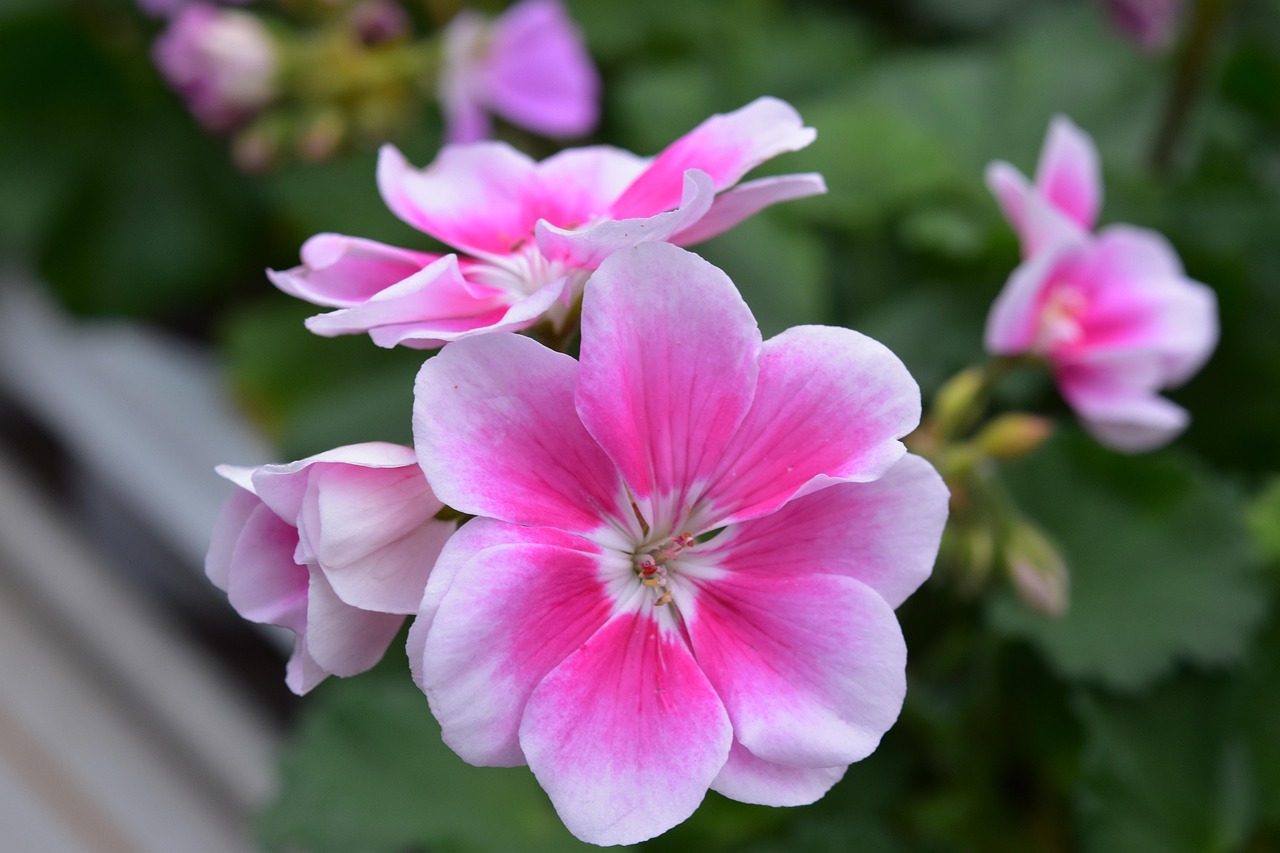
Transforming a traditionally barren space into an enchanting mini-oasis calls for a strategic approach to color and texture. Employing artistic principles such as color theory can aid significantly in this process. How do the coldness of blue hues pair with the warmth of reds, for example, and what emotional responses do they elicit from those who enter the room?
Incorporating both complementary and analogous color schemes within your plant bricks brings balance while ensuring visual intrigue. Complementary colors, like purple and yellow, create a vibrant contrast that can enliven any wall or corner, whereas analogous schemes, such as blues and greens, promote harmony and calm.
Expanding on this, texture plays an equally pivotal role. Consider the way a hauntingly smooth succulent leaf contrasts with the spiky texture of a cactus, each highlighting the other’s unique rhythm. Whether pairing the velvet-like touch of lamb’s ear with the crystalline beauty of echeveria, the result is a captivating tactile experience. To immerse yourself further in such decor artistry, explore how global patterns can influence your living space.
Achieving eco-artistic synergy through sustainable design
Plant bricks are not only an artistic medium but also a testament to sustainable living. Melding beauty with functionality, they offer a green solution that enriches interiors whilst purifying the air. But how can you ensure that this eco-friendly addition aligns with your aesthetic goals?
First and foremost, prioritize plant bricks sourced from sustainable materials. Look for units that utilize recycled media or locally sourced substrates, minimizing the carbon footprint of your aesthetic journey. Furthermore, combining your plant bricks with other environmental elements like natural light and recycled furnishings creates a cohesive design narrative.
Consider designing a space that finds its balance with the creative use of natural lighting and shadow play, which can be emphasized through your plant selection and placement. By following guiding principles from articles such as creating a successful and harmonious living environment, your plant bricks not only become a centerpiece but a narrative arrow pointing towards sustainable artistry.
Veelgestelde vragen
What are plant bricks?
Plant bricks are modular, eco-friendly constructions integrated with living plants, used to create vertical gardens and natural decor within indoor spaces.
How do plant bricks benefit living spaces?
They enhance aesthetics through color and texture, purify air, and contribute to eco-friendly interior design by integrating living plant life into homes.
Can plant bricks be used in any interior setting?
Yes, plant bricks are versatile and can be adapted to suit various styles and spaces, from minimalist to bohemian, depending on plant selection and arrangement.
What maintenance do plant bricks require?
Regular watering, provision of suitable lighting conditions, and periodic plant care such as pruning and checking for pests are necessary for healthy plant bricks.
The artistic culmination: Spaces that breathe life
Integrating plant bricks into hidden spaces isn’t just an exercise in aesthetics; it’s a journey towards breathing life into art and vibrancy into structural form. In the dance between color theory, texture, and sustainability, plant bricks elevate ordinary environments to new heights of creativity and ecological synergy. As we explore these verdant tapestries and see them flourish, let us embrace the notion that our environments, much like art, are ever-evolving expressions of human ingenuity and natural beauty.