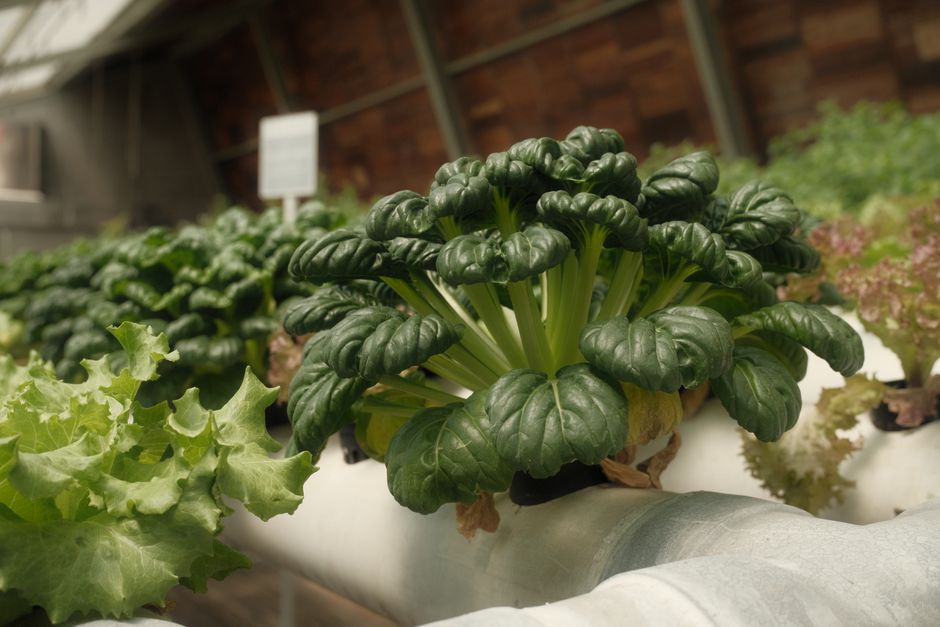
High-tech hydrocultuur: toekomstgerichte plantenverzorging
augustus 30, 2026 - Lifestyle
Introductie
High-tech hydroculture represents a revolutionary shift in plant care, merging biological knowledge with cutting-edge technology to maximize plant growth and sustainability. In 2026, this approach is gaining traction, offering a glimpse into the future of eco-friendly gardening. By combining hydroponics with technological advancements, high-tech hydroculture redefines how we interact with plant life.
Belangrijkste punten
- High-tech hydroculture is revolutionizing plant care through the integration of technology with traditional hydroponics.
- These systems offer efficiency, using significantly less water compared to soil-based methods.
- Integration with smart systems allows for precise monitoring and optimal plant conditions.
- Innovations in hydroculture ensure sustainability, crucial for urban and indoor gardening solutions.
- 2026 trends show increasing adoption of high-tech solutions in personal and commercial plant care.
Wat is high-tech hydroculture?
High-tech hydroculture is an advanced method of growing plants using a soilless system enhanced by digital monitoring tools. This method merges hydroponics with sophisticated technology allowing for precise control over plant environments.
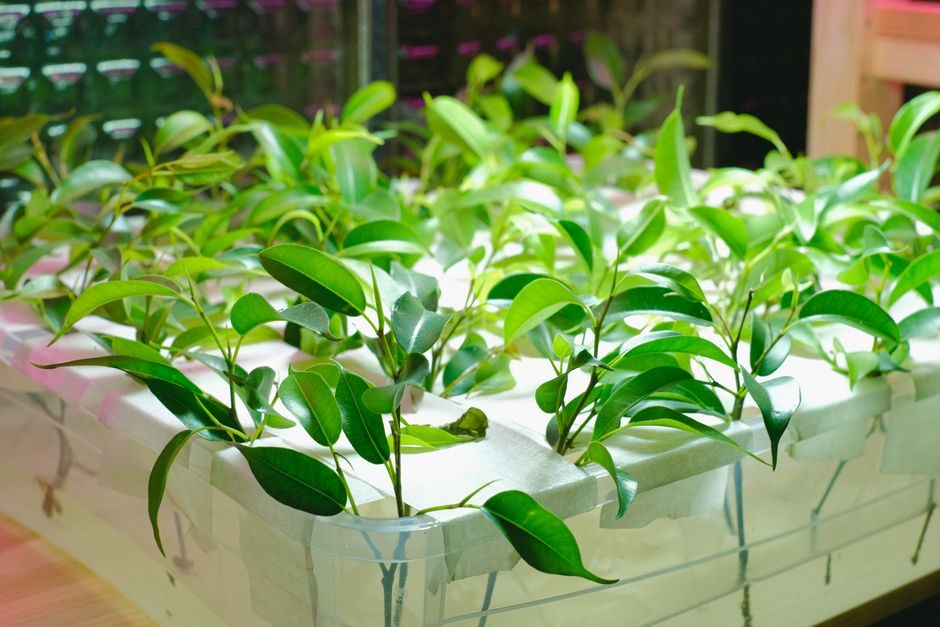
Unlike traditional soil-based gardening, hydroculture eliminates the use of soil, instead utilizing nutrient-rich water to deliver essential nutrients directly to the plant roots. This facilitates improved growth rates and healthier plants, while technological attachments enable round-the-clock monitoring of conditions such as pH, temperature, and light exposure.
De technologische componenten
The technological components integral to high-tech hydroculture include sensors, automated systems, and software applications. These tools provide detailed insights and control, ensuring plants receive optimal conditions for growth at all times.
Sensors play a critical role by collecting data on environmental conditions. This data is then processed by software applications, which generate detailed analytics used to adjust variables such as lighting schedules and watering routines. Automation simplifies maintenance, allowing for remote updates and real-time alerts, adapting effortlessly to seasonal variations, much like in Warme tinten brengen koel comfort: kleurtheorie voor warme maanden.
Duurzaamheid en impact op het milieu
High-tech hydroculture dramatically reduces environmental impact by minimizing water usage and eliminating the need for chemical fertilizers. This sustainable method also decreases the carbon footprint associated with traditional agriculture.
In urban environments, hydroculture offers a practical solution to food security challenges. Space-efficient systems can transform rooftops and unused urban areas into productive green spaces. Moreover, the reduction in transportation and agricultural emissions contributes to urban air quality improvements. These concepts align with the principles of Biophilic design: hoe planten jouw interieurtherapie kunnen zijn.
Toepassingen en voorbeelden
In 2026, high-tech hydroculture is widely adaptable, being employed both in small-scale domestic applications and large-scale commercial operations. Its versatility makes it suitable for diverse environments, enhancing urban living spaces as well as rural agriculture.
For individuals, high-tech hydroculture offers the joy of home gardening without the traditional mess and maintenance. On a larger scale, it is being adopted in urban farming initiatives and commercial greenhouses, significantly boosting food production capabilities. This transformational approach is complemented by innovations in interior design, such as those explored in Design moves: aanpasbare meubels voor gamers en creatievelingen.
Veelgestelde vragen
What is the main advantage of high-tech hydroculture?
High-tech hydroculture offers precise control over plant-growing conditions, drastically improving efficiency and growth rates compared to traditional methods.
How does hydroculture contribute to sustainability?
By reducing water and chemical usage, and decreasing agricultural emissions, hydroculture enhances sustainability and mitigates environmental impact.
Can high-tech hydroculture be used in small spaces?
Yes, it is highly adaptable to compact urban environments, making it perfect for apartments and small homes.
What role does technology play in hydroculture?
Technology provides crucial monitoring and automation, ensuring plants receive optimal care with minimal human intervention.
Are high-tech hydroculture systems expensive?
While initial costs can be higher than traditional gardening, the long-term savings in water and maintenance outweigh the upfront investment.
Is it possible to grow a variety of plants using hydroculture?
Absolutely, hydroculture is compatible with a wide range of plants, from herbs to fruits and vegetables.
Planting the seeds of the future
High-tech hydroculture is paving the way for a revolutionary shift in how we nurture plants, offering a sustainable, efficient, and innovative approach to agriculture. This forward-thinking method not only boosts productivity but also aligns with modern demands for sustainability and resource efficiency. As 2026 unfolds, embracing such innovative solutions is becoming indispensable for meeting the growing ecological and urban agricultural challenges of our time.