Terracotta in het moderne interieur: een onverwachte comeback
juni 24, 2026 - Interieur
Terracotta, known for its earthy tones and timeless aesthetics, is making a surprising resurgence in the realm of modern interior design, particularly within industrial lofts. The blend of traditional and contemporary creates a unique vibe that appeals to those with a penchant for raw, authentic materials. This intricate balance brings warmth and a sense of nostalgia, while effortlessly complementing the structural features of loft living, such as exposed brick and metal.
Belangrijkste punten
- Terracotta brings warmth and a sense of nostalgia to industrial lofts.
- It blends seamlessly with exposed brick, metal, and concrete.
- Affordable options available, making it accessible for various budgets.
- Complements a minimalist and raw aesthetic.
What is terracotta and why is it gaining popularity?
Terracotta, literally translating to “baked earth,” is a clay-based ceramic known for its rustic charm and durability. Its rise in popularity within modern industrial interiors can be attributed to its rich textures and naturally warm hues, which offset the more rigid elements of an industrial loft space like metal beams and concrete flooring.
Modern interior designers are increasingly integrating terracotta to balance the coldness of open brick walls and steel structures. Its versatility is appealing in urban settings where sustainable and cost-effective design choices are prioritized.
How terracotta complements existing industrial materials
Terracotta’s textured finish pairs brilliantly with the exposed elements in industrial lofts. The juxtaposition of soft, warm tiles against cold, hard steel beams creates visual interest and tactile diversity. This is further enhanced when window treatment inspiration includes natural fibers that are in harmony with terracotta’s organic feel.
In the kitchen, for instance, terracotta tiles can transition seamlessly with stainless steel appliances. For those envisaging a timeless yet future-forward culinary space, terracotta blends tradition and functionality, making it ideal for the balance between tradition and technology in kitchen design.
Is terracotta budget-friendly for industrial lofts?
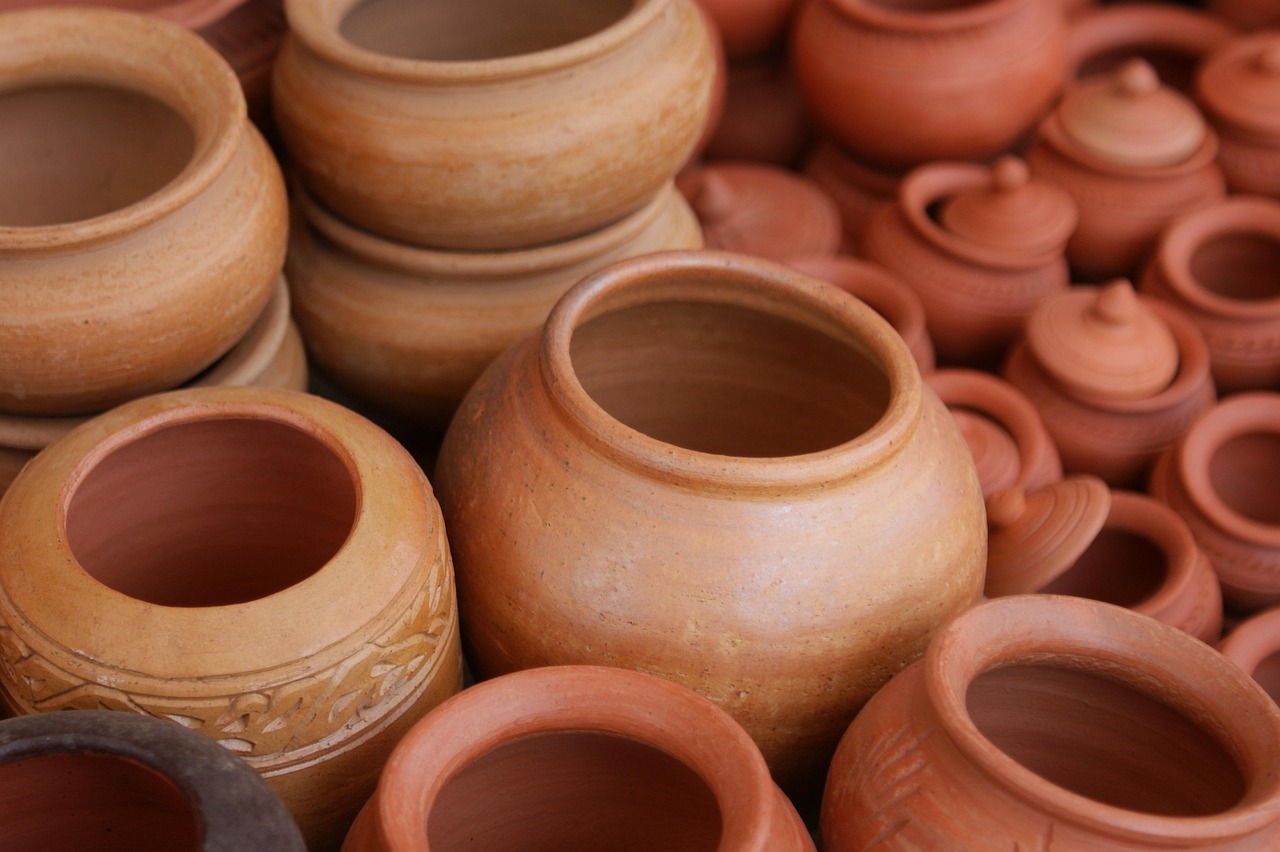
Compared to marble or high-end porcelain, terracotta is a budget-friendly option that doesn’t compromise on aesthetic appeal. Prices can range from $2 to $8 per square foot, depending on the quality and finish. This makes terracotta accessible for a variety of budgets, allowing loft dwellers to add character without a hefty price tag.
For DIY enthusiasts, terracotta offers a unique opportunity to personalize spaces without substantial investment. Implementing terracotta tiles in bathrooms or as unique backsplash options allows for a creative expression of the owner’s style while staying within financial constraints.
Tips for integrating terracotta in your industrial loft
Introducing terracotta into your industrial loft can be as simple as choosing the right accents. Start small with terracotta planters that add a lively contrast against an SEG-frame met stoffen banner layered across a brick wall.
For a more substantial impact, consider terracotta tiles for flooring or as a feature wall. In kitchens, terracotta can bring a balanced warmth against stainless steel, making the environment more inviting without overshadowing its industrial roots. Additionally, pairing terracotta with rattan or wooden furniture can enhance its organic appeal.

What are the advantages of terracotta in industrial decor?
One of the main advantages of terracotta is its ability to add depth and warmth to otherwise stark industrial environments. Its natural tones soften the harshness of steel and concrete, providing a balanced aesthetic that feels both inviting and modern.
Moreover, terracotta is revered for its durability and low maintenance, making it a practical choice in high-traffic areas. Its weathered look only enhances with age, ensuring your space retains its charm over time.
Veelgestelde vragen
Why is terracotta used in industrial spaces?
Terracotta is used in industrial spaces for its ability to balance cold, rigid materials with warmth and texture, making lofts more inviting.
How does terracotta age over time?
Terracotta ages gracefully, developing a natural patina that enhances its rustic charm, making it ideal for durable, long-lasting decor.
Can terracotta be eco-friendly?
Yes, terracotta is an eco-friendly material made from natural clay, sometimes even produced using recycled content, reducing its environmental impact.
Is terracotta suitable for all climates?
Terracotta is highly versatile but may require sealing in humid climates to prevent moisture absorption, ensuring longevity and aesthetic integrity.
What furniture works best with terracotta?
Natural wood, rattan, and metal furniture complement terracotta well, enhancing its organic appeal and blending effortlessly with industrial themes.
Bringing it all together with terracotta
Integrating terracotta into the industrial loft aesthetic offers a meld of tradition and modernity, balancing raw, industrial elements with organic warmth. This versatile material is not only a budget-friendly option but also enhances the unique character inherent to loft-style living. When incorporated thoughtfully, terracotta brings a sense of timelessness that naturally aligns with the rugged charm of loft environments.