De opmars van organische patronen in badkamerontwerp
juli 14, 2026 - Interieur
In recent years, organic patterns in bathroom design have surged in popularity, reshaping how we envision and experience these intimate spaces. This evolution reflects a broader design trend, with homeowners increasingly seeking harmony with nature, both aesthetically and functionally, within their homes.
Belangrijkste punten
- Organic patterns bring balance and tranquility to bathroom spaces.
- Natural elements can transform bathrooms into luxurious spa-like retreats.
- Eco-friendly materials enhance sustainability in modern bathroom designs.
- Integration of organic elements can boost mental well-being.
What are organic patterns?
Organic patterns are design elements inspired by nature, characterized by fluid lines, asymmetry, and natural forms. They contrast sharply with rigid geometric patterns, offering a softer, more welcoming aesthetic.
These patterns often evoke a sense of flow and continuity, reminiscent of natural landscapes or biological structures. Such designs have become particularly popular in modern interior design, where they are used to create serene and calming environments.
Why are organic patterns popular in bathrooms?
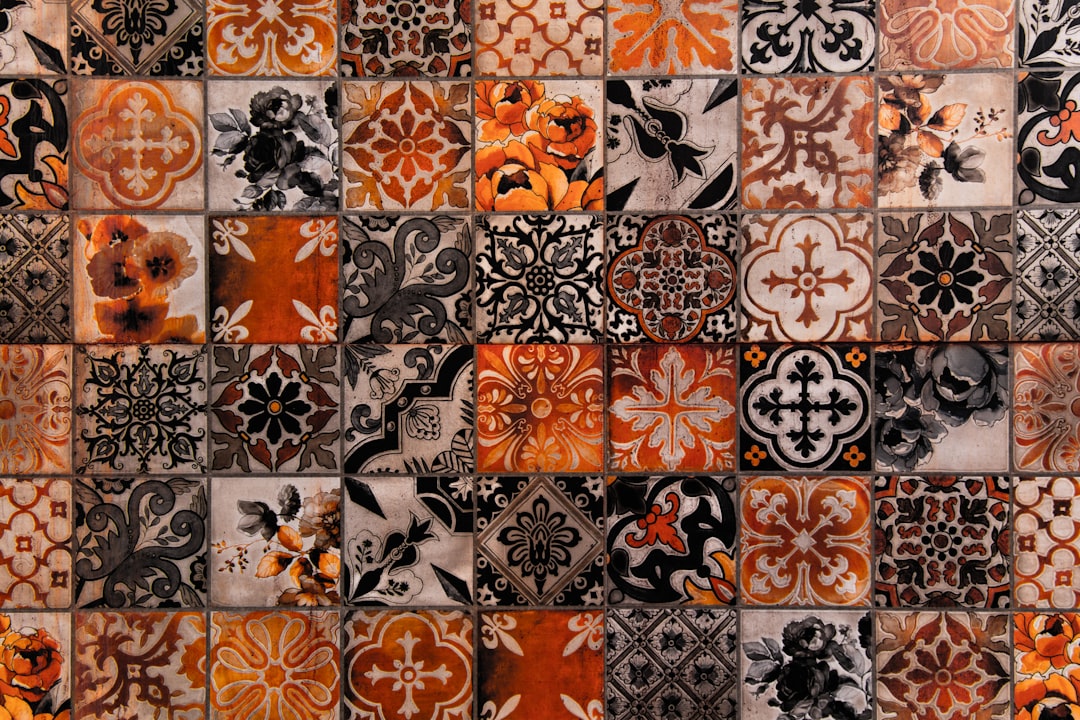
Bathrooms, as personal sanctuaries, naturally align with the calming effects of organic patterns. The design trend towards wellness-oriented spaces has accelerated the incorporation of such motifs, promoting a sense of peace and relaxation.
Furthermore, organic patterns can enhance the sensory experience in bathrooms by using textures and elements that mimic natural settings. This can be crucial in spaces where relaxation is paramount. The growing emphasis on creating luxury bathroom experiences has further fueled this trend, aligning esthetic pleasure with functionality.
Designing with natural materials
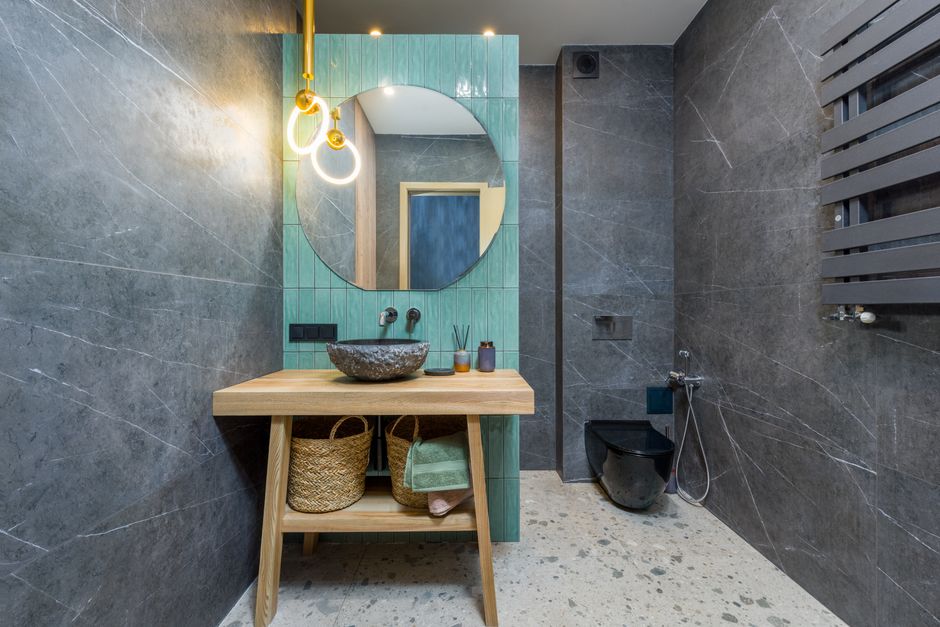
Natural materials such as stone, wood, and bamboo provide tactile experiences that enhance organic designs. These materials reinforce the connection to nature, facilitating the creation of truly immersive environments.
Incorporating materials like reclaimed wood not only adds a rustic charm but also aligns with sustainable practices, resonating with environmentally conscious consumers. This trend towards sustainability is also echoed in sectors such as the grootformaatdrukkerij in België, where eco-friendly printing solutions are on the rise.
How technology complements organic designs
Advanced technology seamlessly integrates with organic designs by enhancing functionality without disrupting aesthetics. For instance, smart lighting systems can simulate natural light cycles, enhancing the organic feel.
Technology also enables the personalization of spaces with digital controls and IoT devices, ensuring that each user experience aligns with individual preferences. This prevents the design from becoming static, allowing for dynamic interactions with the space.
What are the mental health benefits?
Connecting with nature, even indirectly through organic designs, has proven mental health benefits. These include reduced stress and enhanced mood, key factors in bathroom settings where tranquility is coveted.
This natural integration mirrors the growing popularity of creating serene spaces beyond the home, such as outdoor cineplexes for garden movie nights, offering similar benefits.
Where to find inspiration for organic designs
Inspiration for organic bathroom designs can be sourced from various places, such as the natural diversity found in local landscapes or through guided exhibitions. Even unexpected places, like examining tapestries as acoustic solutions, can spark creative ideas for utilizing natural forms in indoor spaces.
Moreover, professional designers often draw upon their experiences from travels and encounters with different cultures to create unique, nature-inspired spaces that resonate on a personal level.
Veelgestelde vragen
How do organic patterns impact bathroom functionality?
Organic patterns improve bathroom functionality by promoting relaxation and enhancing emotional well-being. They create a spa-like atmosphere, improving the overall user experience.
What are some cost-effective ways to incorporate organic patterns?
Incorporating organic patterns can be budget-friendly by using paint and textiles to mimic natural elements. Consider natural greenery or affordable stone-like tiles for impactful design on a budget.
Which materials best represent organic designs in bathrooms?
Materials like stone, bamboo, and hardwood are excellent for organic designs. These materials not only look natural but provide unique textures that enhance the space visually and tactilely.
Can organic designs be combined with modern technology?
Yes, incorporating modern technology such as smart lighting or water-saving fixtures can complement organic designs, enhancing efficiency while maintaining aesthetic integrity.
Are there eco-friendly benefits to organic bathroom designs?
Organic bathroom designs often employ sustainable materials and practices, reducing environmental impact. This aligns well with water-efficient fixtures and natural lighting solutions.
A harmonious coalescence of nature and design
Organic patterns in bathroom design symbolize the perfect marriage between nature and modern living, transforming functional spaces into sanctuaries of peace and luxury. By seamlessly integrating natural elements, these designs enrich our daily rituals, making us feel closer to nature and fostering a profound sense of well-being.