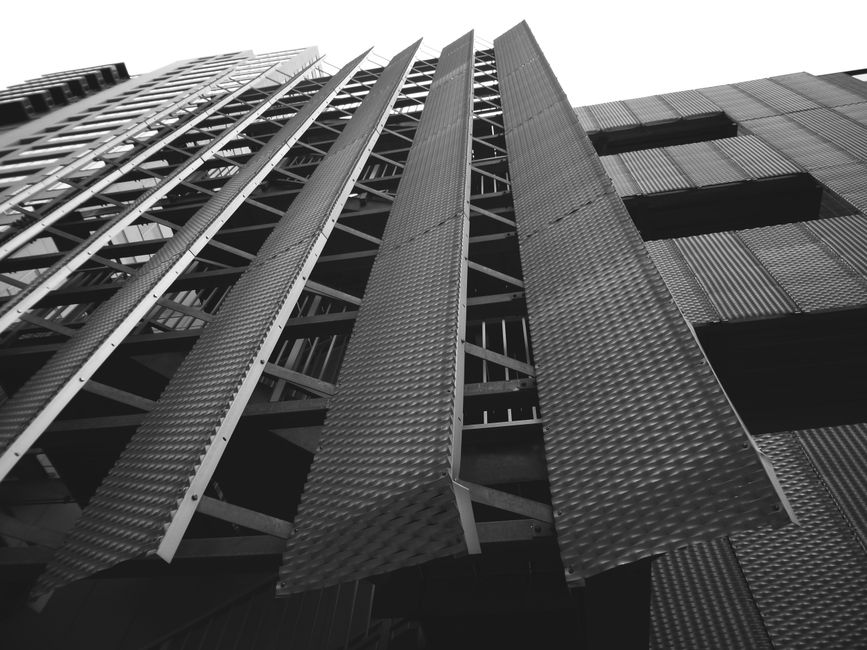
Innovatieve gevelbekleding: bescherm je huis en reduceer energieverbruik
juli 20, 2026 - Energie besparen
Innovative facade cladding is reshaping how we protect our homes and manage energy consumption. By combining aesthetics with functionality, modern facade solutions offer both protective and energy-saving benefits.
Belangrijkste punten
- Innovative cladding enhances insulation, reducing energy bills by up to 30%.
- Advanced materials can extend facade lifespan by more than 20 years.
- Environmental benefits include reduced carbon footprints through sustainable materials.
- Improved structural protection leads to lower maintenance costs.
What is innovative facade cladding?
Innovative facade cladding refers to modern exterior materials that combine design aesthetics with functionality, primarily focusing on energy efficiency and sustainability. These high-tech solutions not only aim to protect the structure from external elements but also significantly contribute to reducing energy consumption.
From utilizing materials like aluminum, composites, and high-performance glass, these cladding systems offer a range of designs while enhancing buildings’ structural integrity.
Why energy efficiency matters
Choosing energy-efficient building materials is crucial for reducing electricity bills and minimizing environmental impact. Insulation plays a significant role in maintaining a comfortable indoor climate, especially during extreme weather conditions.
According to the U.S. Department of Energy, properly installed cladding can cut energy consumption by up to 30%. This indicates a direct correlation between modern facade solutions and sustainable living standards.
What materials are used in modern cladding?
Modern facade cladding materials are designed for durability, aesthetics, and thermal efficiency. Common materials include high-performance composite panels, lightweight aluminum, and advanced glass solutions.
Aluminum offers flexibility and strength, making it ideal for various designs and climates. Composite panels, often made from a blend of recycled materials, present eco-friendly options with reduced environmental impact. Furthermore, high-tech glass facades are engineered to improve natural lighting, a concept that can be complemented by the use of natural light domes inside homes.
How do they offer sustainability benefits?
Sustainable cladding options reduce the carbon footprint of buildings by utilizing recycled materials and enhancing energy efficiency. This sustainability extends the lifespan of facades, thus reducing the frequency of replacements.
For instance, utilizing recycled composites decreases reliance on virgin resources while promoting industrial recycling initiatives. By incorporating these innovations, not only do homeowners benefit, but broader environmental impacts are also mitigated.
What are the design and aesthetic considerations?
Facade cladding is not only about functionality; it’s equally vital for enhancing a building’s aesthetic appeal. The integration of new materials allows for a vast array of colors, textures, and finishes, enabling homeowners to personalize their facade.
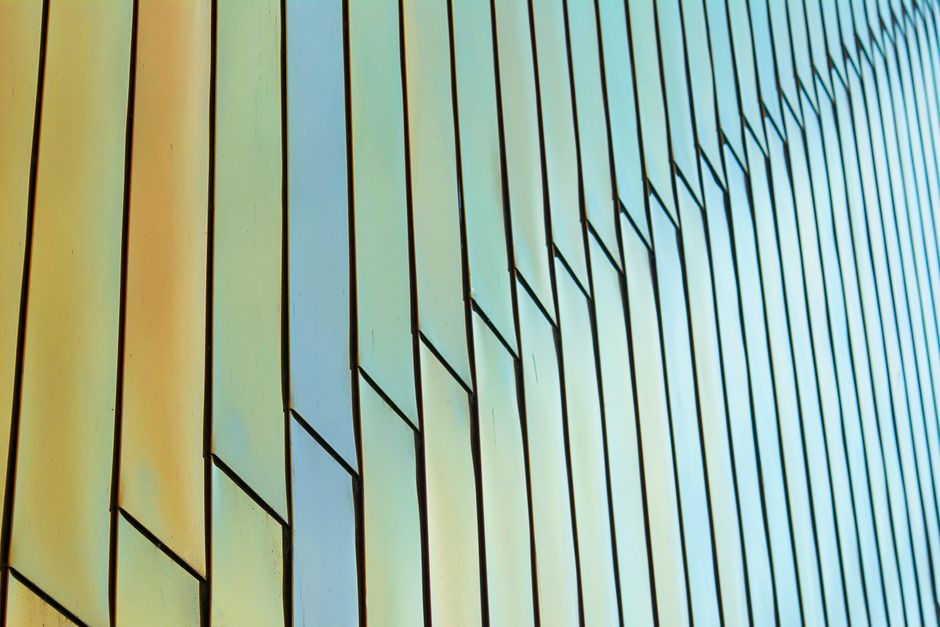
For those looking to create a harmonious outdoor aesthetic, incorporating elements like natural tones or pastel accents in their outdoor living space is advisable. Notably, contemporary cladding designs often emphasize sleek lines and modern appearances, suited to both urban and rural settings.
What financial benefits do they provide?
As an investment, innovative cladding can yield significant financial returns through reduced energy costs and lower maintenance expenses. Efficient insulation means less energy is needed for heating and cooling, translating into lower monthly utility bills.
Besides reducing annual expenses, homeowners can anticipate long-term savings due to the increased durability and reduced wear and tear facilitated by modern cladding solutions. Enhanced durability also decreases the need for frequent repairs, further lowering costs.
Veelgestelde vragen
What are the primary materials used in facade cladding?
The primary materials include aluminum, composite panels, and advanced glass solutions. These are chosen for their durability, energy efficiency, and aesthetic appeal.
How does facade cladding reduce energy consumption?
Cladding enhances building insulation, maintaining indoor temperature and reducing reliance on heating and cooling systems, thereby lowering energy consumption.
Can facade cladding really extend the lifespan of a building?
Yes, by protecting the underlying structure from environmental damage, cladding extends the building’s lifespan and reduces the need for repairs.
Are there aesthetic options available for facade cladding?
Absolutely, facade cladding offers a range of design options, including various colors, textures, and finishes, allowing for significant customization.
What are the environmental benefits of using modern cladding?
Modern cladding often utilizes sustainable materials, reducing the carbon footprint and promoting recycling, while also providing energy savings.
A shield for the future
Innovative facade cladding offers a multidimensional solution for improving home sustainability and energy efficiency, safeguarding buildings while also presenting an opportunity to enhance aesthetic appeal. As we lean towards more eco-friendly solutions, adopting modern facade solutions becomes not just a choice but a necessity. Through advanced materials and strategic designs, these claddings continue to pave the way for smarter, more sustainable homes. Discovering ways to improve your home environment, whether by enhancing the facade or utilizing forex bord met logo, contributes substantially to both sustainability and personal satisfaction.