Transformeer je zomertuin met koraal- en lavendeltinten
april 26, 2026 - Tuin
Transforming your summer garden into a haven of coral and lavender hues is a delightful way for families with young children to combine aesthetics with functionality. These colors not only create a serene and welcoming space but also offer a variety of elements that are safe, durable, and kid-friendly. Thoughtful design in your garden ensures it remains an inviting place for the entire family to relax and play.
Belangrijkste punten
- Incorporating coral and lavender colors can create a calming and engaging outdoor space.
- Choose kid-friendly materials and plants to ensure safety and durability.
- Consider cost-effective and sustainable options while planning your garden.
Choosing coral and lavender colors for kid-friendly gardens
Coral and lavender are not just visually appealing; they can shape the mood and interaction within your garden. These hues provide a calming atmosphere that is excellent for families looking for a peaceful retreat. Coral can inspire creativity and joy, while lavender’s soothing tones promote relaxation.
When selecting materials and plants, ensure they are non-toxic and safe for children. Safety is paramount, especially for families with young explorers. Eco-friendly paint options for fences, pots, and garden furniture allow you to bring these colors into your garden safely. Opt for paints free from volatile organic compounds (VOCs) to protect the little ones.
Choosing materials and design elements that withstand playtime
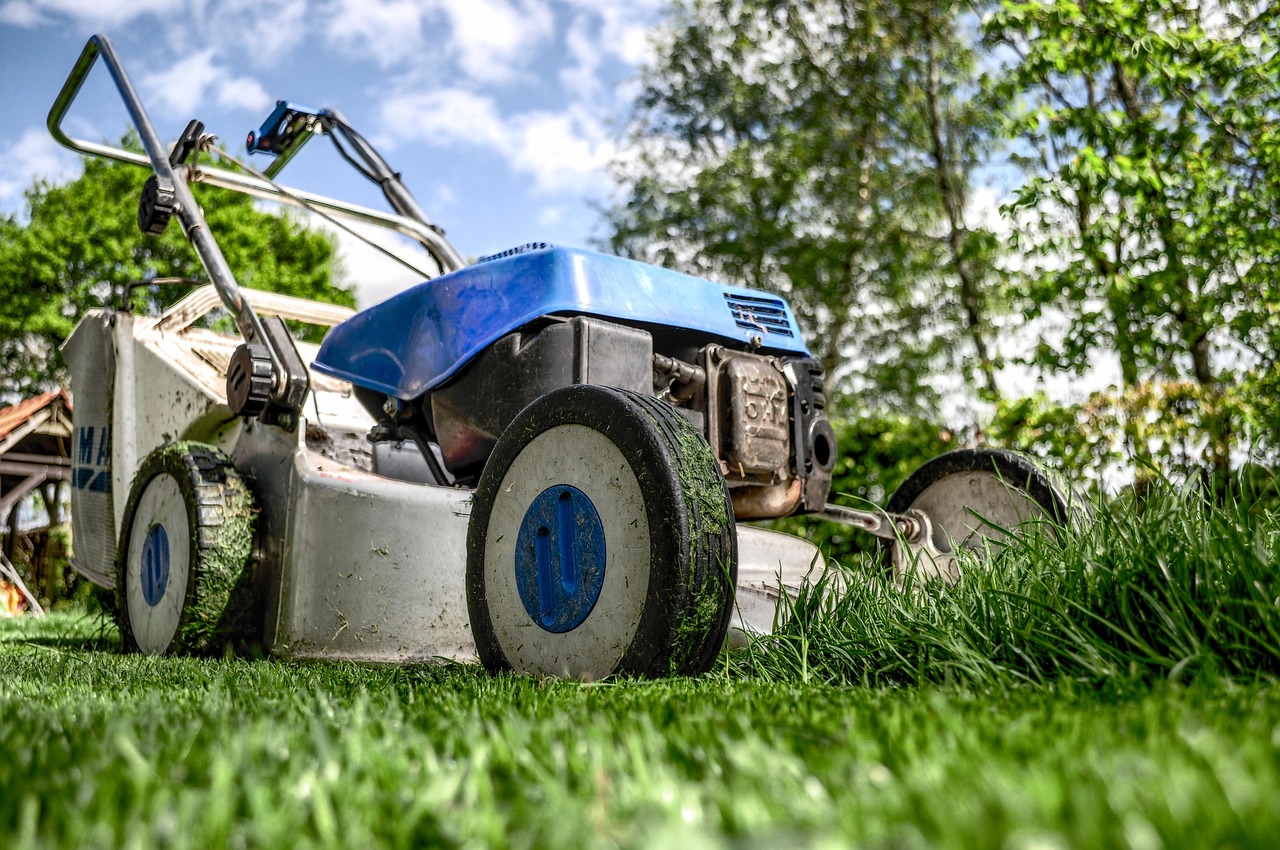
Selecting durable materials is essential when creating a garden that can withstand the wear and tear of active children. Stone, weather-resistant wood, and high-quality plastics can handle everything from impromptu soccer games to imaginative play sessions. For instance, consider raised garden beds made from rot-resistant wood; they add structure and are less prone to damage.
When planning the layout, incorporate pathways and surfaces that are both functional and fun. A winding path made of smooth stones or pavers can become an adventure trail for kids, while also ensuring safe footing. Additionally, integrating areas for toys and games can help to create a multifunctional space.
Selecting plants that are safe and intriguing for children
Choosing non-toxic and low-maintenance plants attracts children’s interest and ensures their safety. Lavender, for example, is perfect; not only does it enhance your garden’s fragrance, but it’s also safe for kids to touch and explore. Other plants such as coral bells, with their striking colored foliage, add beauty while remaining non-dangerous.
To stimulate curiosity, include sensory plants like lamb’s ear, which has soft, velvety leaves that children love to touch. Providing a mix of plant textures and colors engages children’s senses and can introduce them to the joys of nature.
Integrating play areas into your garden with vibrant colors
Incorporating play areas into your garden design can encourage children to spend more time outdoors. Use coral-hued play surface materials, such as rubber mulch or shock-absorbent ground tiles, to create safe zones under slides and swings. These materials not only enhance safety but also align with the garden’s aesthetic.
Consider building a small, color-coordinated playhouse or sandpit. Using materials like plexiglass, as discussed in enclosure designs, can give a modern touch and ensure visibility for supervising adults.
Maximizing budget with child-safe and eco-friendly options
Creating a beautiful and safe garden doesn’t mean breaking the bank. By exploring eco-friendly and durable options, like bamboo furniture or reclaimed wood elements, you can keep costs down without sacrificing quality. Exploring what it costs to set up a garden at Wat kost het inrichten van een tuin? can provide insights into budgeting effectively.
Additionally, utilizing sustainable techniques such as composting and rainwater collection aids in maintaining a green and cost-effective project. While biomass as a sustainable energy source remains a topic of debate due to its impact on the environment, these garden practices have clear, positive environmental benefits.
Veelgestelde vragen
What are the best coral-colored plants for a family garden?
Coral Bells and Coral Honeysuckle are great options. They are visually stunning, non-toxic, and attract beneficial pollinators.
How can I ensure garden furniture is safe for children?
Choose furniture made from durable, non-toxic materials such as bamboo or non-VOC-painted woods. Ensure all edges are rounded to prevent injuries.
Are lavender plants easy to care for?
Yes, lavender plants require minimal care, needing only full sun and well-drained soil. Their low maintenance makes them ideal for busy families.
Which sensory plants are suitable for children?
Lamb’s Ear and Mint are excellent options. They are safe to touch, and their distinct textures and fragrances stimulate children’s senses.
Crafting memories in your family garden oasis
Transforming your garden with coral and lavender hues adds a vibrant and calming atmosphere that both children and adults can appreciate. This careful blend of color, safety, and design ensures your family can enjoy the beauty of nature together, creating lasting memories.