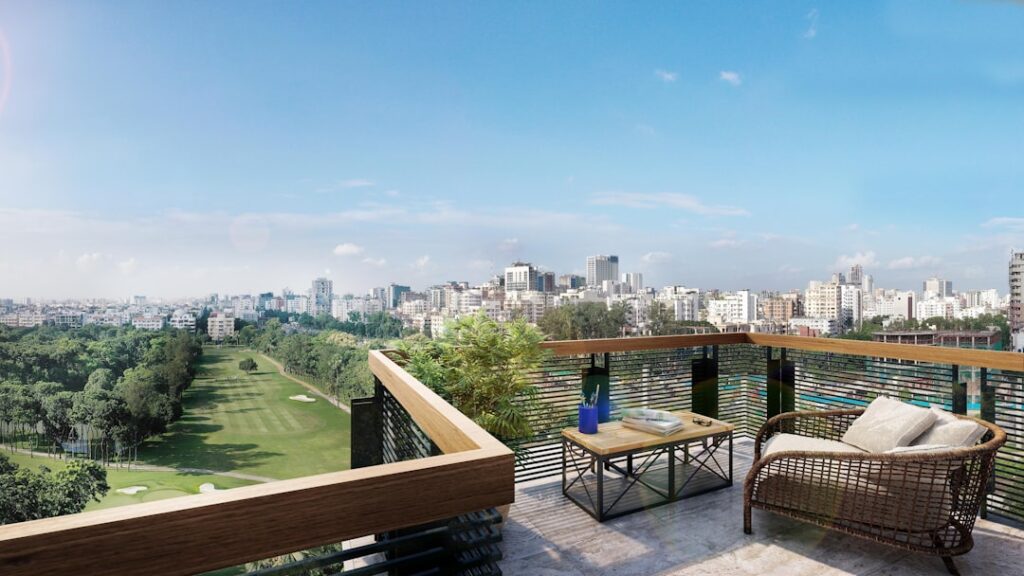
Moderne twist: Japanse tuinprincipes in stedelijke balkons
augustus 3, 2026 - Tuin
In the bustling urban landscapes of 2026, transforming small city balconies into serene havens is becoming increasingly desirable. Incorporating Japanese garden principles provides a modern twist, offering tranquility and escape amidst the concrete chaos. Let’s delve into how you can apply these age-old ideas to your urban outdoor space, crafting an oasis that harmonizes with nature.
Belangrijkste punten
- Japanese garden principles emphasize harmony, simplicity, and minimalism.
- Key elements include rock gardens, water features, and carefully selected plants.
- Even small balconies can be transformed into peaceful sanctuaries.
- Incorporate bio-based materials for sustainability.
- Using textures and colors enhances visual depth.
What are Japanese garden principles and how can they be adapted for urban balconies?
Japanese garden principles focus on creating a balanced, tranquil atmosphere through simplicity and natural harmony. When adapting these principles to urban balconies, consider the elements of balance, contrast, and symbolism to transform small spaces into serene retreats.
Incorporating rocks, water, and plants in thoughtful compositions is key. Elements should interact harmoniously, with attention to asymmetry and natural textures. The result is a peaceful escape offering solitude amidst the urban environment.
What are the key elements for integrating Japanese garden design on balconies?
To create a Japanese-inspired balcony garden, include elements like a rock garden, water feature, and carefully selected plant species. These components work together to encapsulate the essence of serenity and balance integral to Japanese design principles.
Using stones of varying textures and sizes in a dry landscape (karesansui) arrangement can evoke the imagery of rippling water or rolling hills. Water features, even small ones, introduce tranquility through sound and reflectiveness. Additionally, selecting plants like Japanese maple or bamboo complements these elements, creating a unified aesthetic.
How do you make the most of a small balcony space using Japanese garden ideas?
Utilizing vertical space, selecting miniaturized plant varieties, and focusing on texture are crucial for adapting Japanese garden principles to small balconies. The goal is to maximize space without compromising the garden’s serenity and simplicity.
Vertical gardening solutions and compact, container-friendly plants offer practical options for limited spaces. Applying layers of texture through varied materials like gravel, bamboo, and moss adds depth. Minimalistic design choices and multifunctional pieces ensure the garden is both usable and aesthetically pleasing.

How can you incorporate sustainability into your Japanese-inspired balcony garden?
Sustainability in a Japanese-style balcony garden can be achieved by using bio-based materials and energy-efficient design techniques. These methods not only honor the garden’s natural aesthetic but also minimize environmental impact.
Integrating bio-based materials, such as sustainable woods or recycled composites, support eco-friendly goals. Additionally, opt for solar-powered water features and LED lighting to enhance energy efficiency. These choices align with the natural harmony emphasized in Japanese gardens while addressing modern environmental concerns.
How to use design and decoration to enhance the Japanese garden aesthetic?
Design and decoration play a pivotal role in enhancing a Japanese garden’s aesthetic by incorporating understated, elegant elements. Focus on symmetry, balance, and natural neutrality in color to reflect harmony.
Stoffen banners and subtle accent lighting can provide a backdrop, enhancing the tranquil atmosphere. Consider accessories like a small stone lantern or a bamboo water spout, which seamlessly fit with the overall design while adding cultural authenticity. Borrowing from urban jungle designs, mix textures for a stimulating but harmonious environment.
How to create a sensory experience in a Japanese-style balcony garden?
Crafting a sensory experience involves combining elements that engage sight, sound, and touch, integral to a Japanese-style garden. Each sensory component should connect to nature, providing a complete, immersive escape.
Textures are fundamental; mix smooth rocks with soft moss and rough bark. Sound can be introduced with bamboo chimes or a gentle stream from a water feature. Visually, use varied greens with seasonal colors to mimic the changing landscapes, while aromatic plants ensure an engaging olfactory experience. For sensory focus, consider consulting experts like Lapulga to add impactful visual cues.
Veelgestelde vragen
Can Japanese garden principles be applied to any balcony?
Yes, Japanese garden principles can be adapted to fit any balcony size by focusing on essential elements like rocks, water, and plants. Creativity in space management is key.
Is it expensive to create a Japanese-style balcony garden?
While some elements can be costly, a Japanese-style garden can be achieved on a budget by prioritizing essential items and using sustainable materials.
What are the best plants for a Japanese balcony garden?
Japanese maples, bamboo, bonsai, and azaleas are ideal for their aesthetic appeal and symbolism in traditional gardens.
What maintenance does a Japanese-style balcony garden require?
Minimal maintenance is needed, focusing on pruning, occasional watering, and ensuring components like water features remain clean and operational.
Embracing serenity in urban spaces
As our cities grow denser, the need for personal tranquility spaces is more vital than ever. By integrating Japanese garden principles into urban balconies, anyone can create a serene escape, redefining the meaning of personal space within the city. These gardens do not just beautify; they offer sanctuaries for reflection and calm, proving that even the smallest area can become an oasis of peace in the hustle and bustle of modern life.